






By Darius
If death is no longer an endpoint but merely a "save point," then what is truly alive—you, or a piece of data copied and replicated?
Science fiction films today often explore the concept of "mechanical ascension"—the idea of discarding the vulnerable, aging, and resource-intensive human body and transferring consciousness into machines to achieve a far more enduring form of existence. Works like China's The Wandering Earth and the US's Lucy also touch upon the digitization of human consciousness.
A similar setup appears in the recently released movie Avatar 3 and its two preceding films. In these stories, after the native Na'vi of Pandora die, they are buried beneath a giant tree that functions as the planet's neural hub. Their conscious data is then "uploaded" to Eywa, a "goddess" on Pandora, acting as a supercomputer and database. Any living Na'vi can reconnect with deceased loved ones by accessing this "database."
However, these digitized "consciousnesses" are and will never be updated, forever frozen at the moment of death as if paused in time.
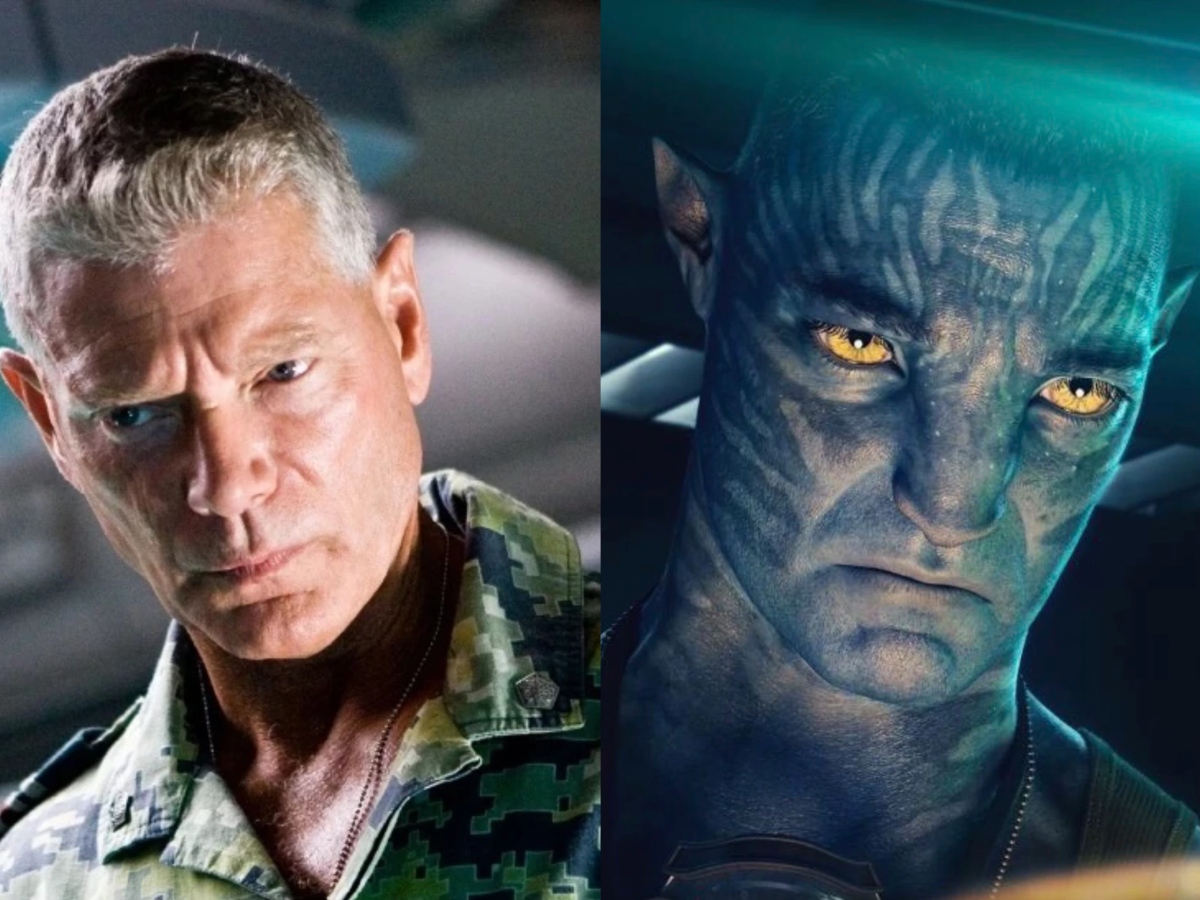
Meanwhile, Colonel Miles Quaritch, the human antagonist who died in the first film, returns in the sequel with a new Na'vi (Avatar) body combined with a human consciousness. Crucially, the consciousness is not his original one but a pre-stored copy—akin to saving and loading a game file. Thus, we witness a profoundly conflicted entity: a "new" antagonist with a copied human consciousness housed in a Na'vi body.
This leads to the question: Can this character truly be considered the same person as the villain from the first film? Can humanity achieve immortality simply by "saving" consciousness like game data?
"The essence of human beings is the ensemble of social relations." -- Karl Marx
As one's social relations change, so does their essence. Following this logic, Colonel Quaritch, now in a Na'vi body, gradually begins to interact with the Na'vi while growing increasingly alienated from humans. Thus, this "copy" becomes estranged from his original, human-bodied self—a shift subtly reflected in his evolving methods and demeanor throughout the film series. When the paths of the copy and the original diverge due to such differences, their futures branch out like alternate storylines in a game, leading to vastly different outcomes.
Still, we can think further: Can human self-awareness truly be "saved" like a file? If the original self perishes, what exactly is the copied consciousness data? Even if a person's conscious data could be perfectly transferred to a new body, wouldn't the new vessel itself spark the philosophical debate of the Ship of Theseus?
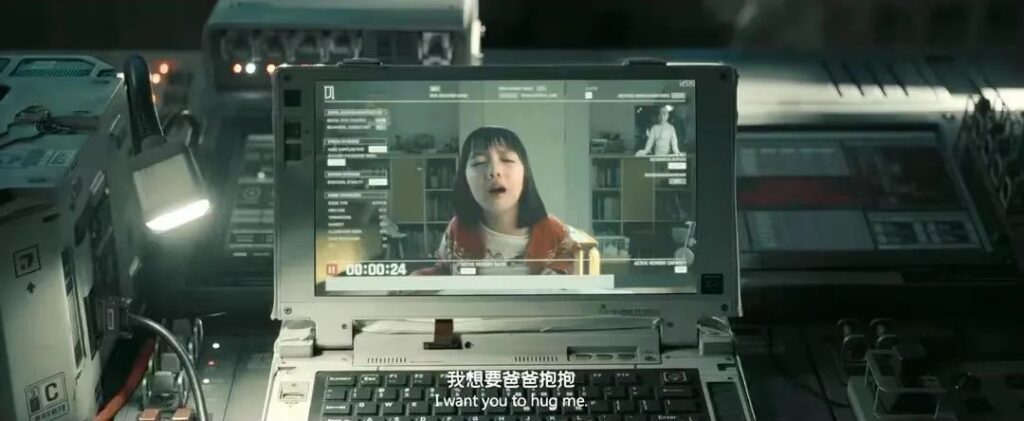
In The Wandering Earth, a line states, "A civilization without humanity is meaningless." This serves as a wake-up call for the character Tu Hengyu, whose daughter died in a car accident. Unable to accept reality, Tu hopes to use a supercomputer to replicate his daughter's consciousness, allowing her to "live on" as a digital life form. As the apocalypse approaches in the film, many people also express their agreement with the "Digital Life Project," which involves uploading conscious data via brain-computer interfaces to sustain digital life cycles through supercomputers. However, the project is banned in the story, as authorities argue that the technology cannot create genuine new life—digital consciousness is merely a replica, not a continuation of life, and is highly vulnerable to manipulation.
Similarly, in the video game StarCraft, a race called the Protoss copies the consciousness of their greatest historical warriors and transfers it into mechanical bodies, hoping these resurrected heroes can continue to strive for their species' survival. Over time, however, these robotic Protoss, named the Purifiers, grapple with severe identity crises, feeling torn between their original and copied selves, to the point of being sealed away.
In my view, nevertheless, all thoughts of "digital consciousness" are ultimately an extension of living human thinking, driven by self-interest. Every individual is unique, making it impossible to perfectly replicate a person, both technically and ethically. As the physical body perishes, the original consciousness dissolves into oblivion. No matter how identical a data copy may be, it holds no value for the departed self.
Yet, such a perfect copy can be immensely useful to others. For Tu Hengyu, digital life means his daughter's "rebirth," easing his anguish. For the Protoss, the "resurrection" of warriors strengthens their clan and combat power. For the Na'vi in Avatar, seeing departed loved ones encourages the living and reinforces their faith. And for the humans in the same film, the copied Colonel Quaritch—a seasoned, sophisticated soldier—becomes a powerful asset in their alien colonization strategy.
Indeed, this digitization and replication of consciousness is highly practical. But in my eyes, it serves no purpose for those who have already passed away. After all, people seldom worry about whether the Ship of Theseus remains the same ship, as long as it remains just as useful.
Related News:
Journalist's View | Finding heart in Predator: Badlands
Journalist's Hands-on Experience | Crossing three realms: What does musical Divine Comedy bring us?




Comment