






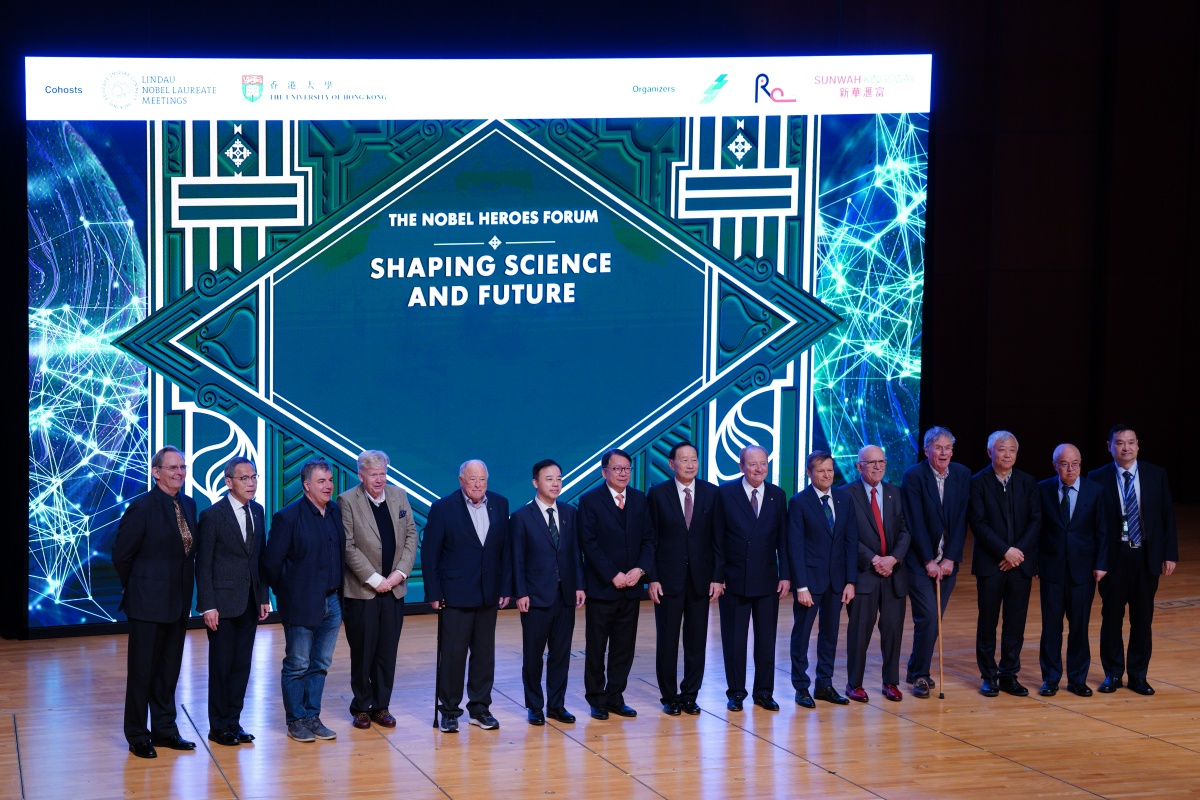
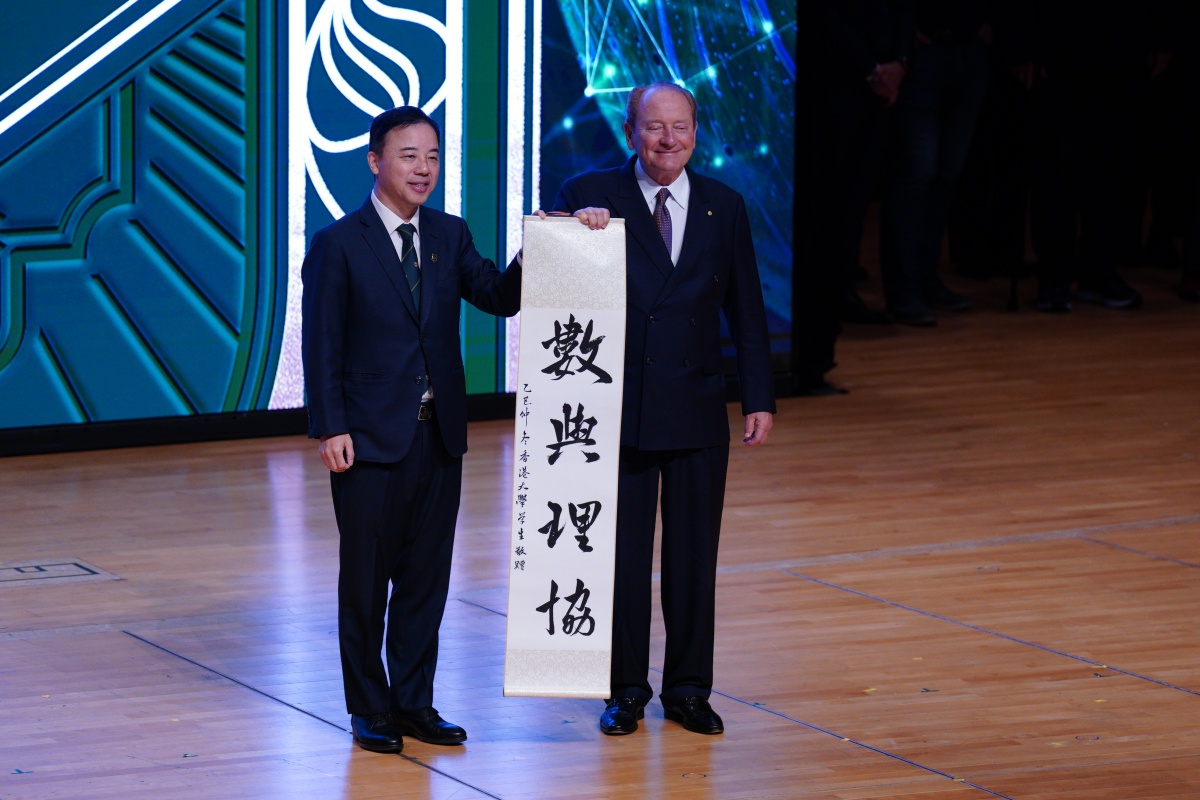
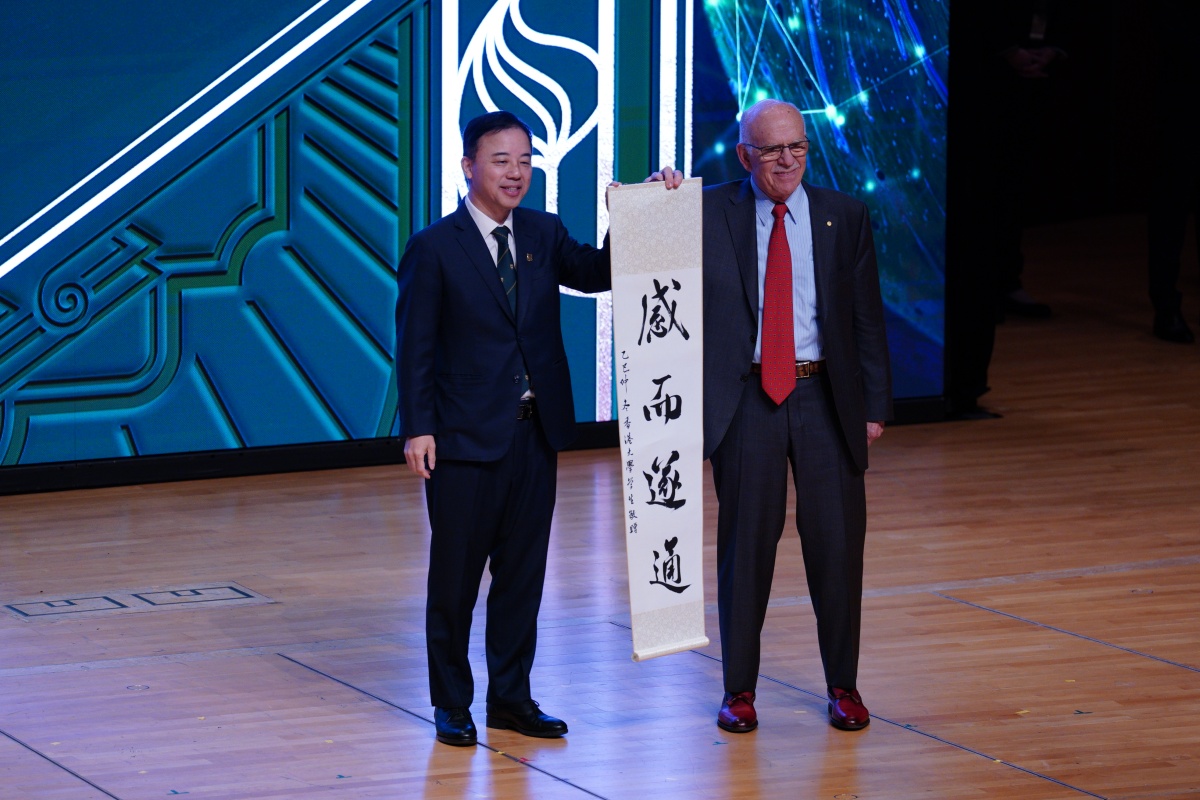
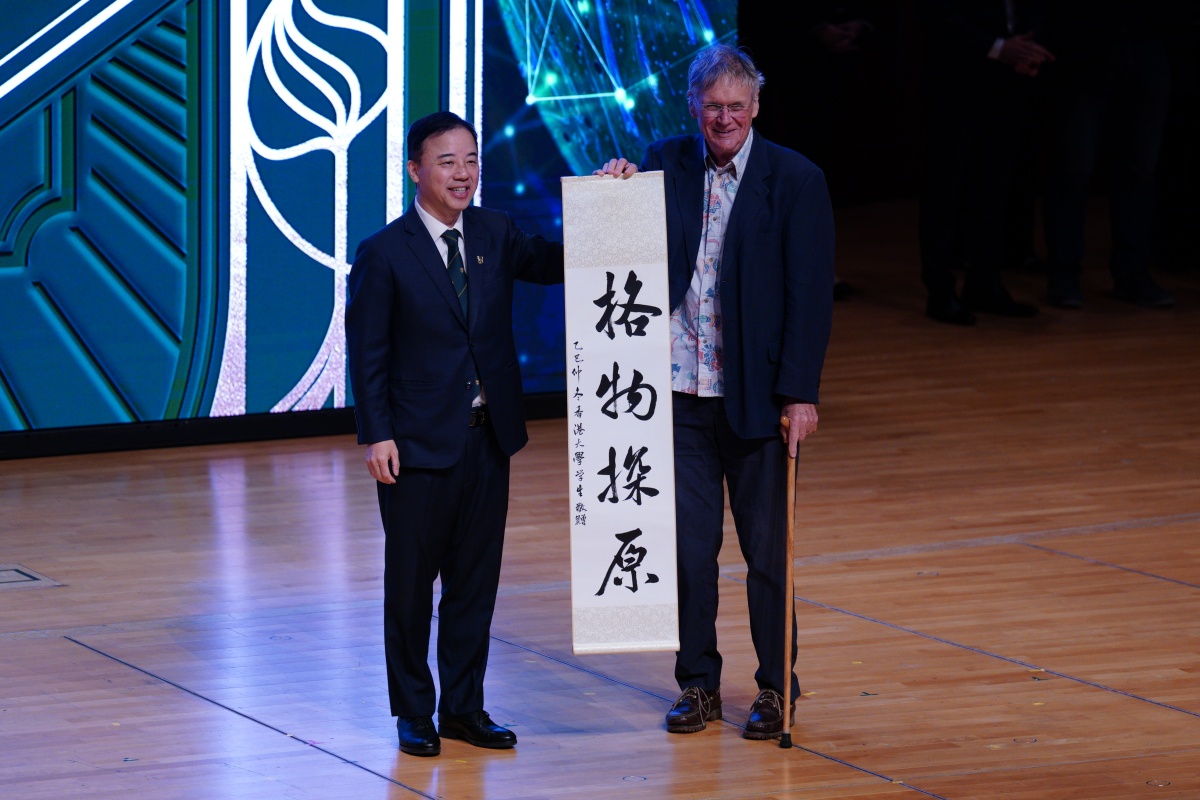
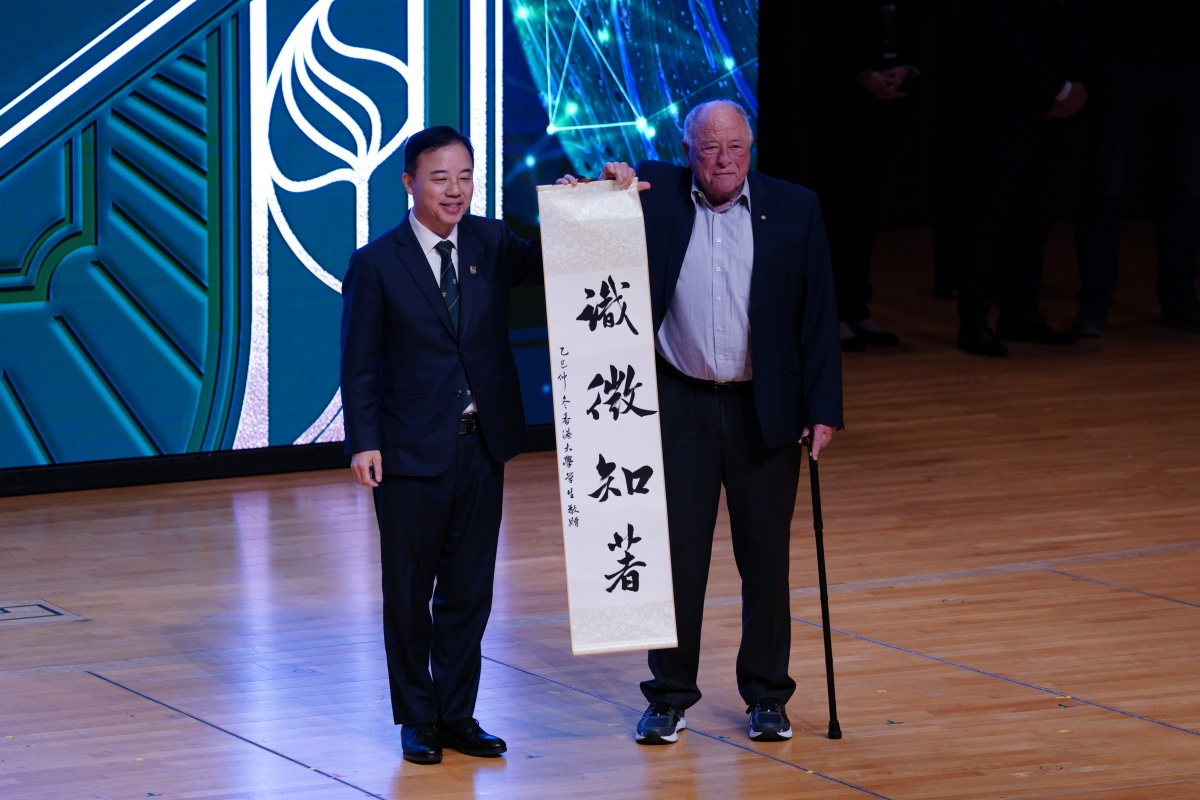
The University of Hong Kong (HKU) and the Lindau Nobel Laureate Meetings co-hosted the "Nobel Heroes Forum: Shaping Science and Future" today (Jan. 12). Held at the Grand Hall on HKU's campus, the forum brought together six Nobel laureates for in-depth discussions on how fundamental research shapes the future of science, technology, health, and the global economy.
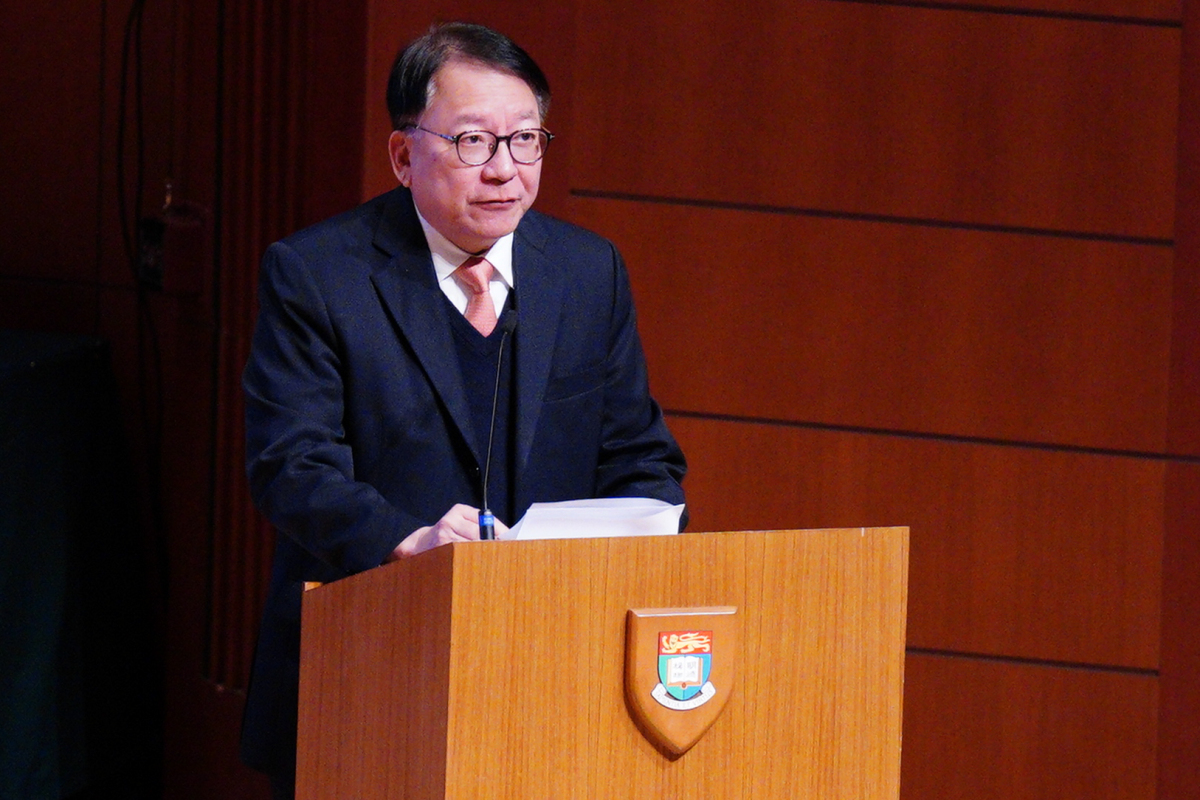
Chief Secretary for Administration Chan Kwok-ki stressed that under "One Country, Two Systems," Hong Kong, supported by the motherland and connected globally, has been dedicated to becoming a top-tier international innovation and technology hub—an incubator for scientific exploration and technological breakthroughs. He extended a warm welcome to scientists and researchers from around the world to build their careers in Hong Kong and jointly shape the scientific future for humanity.
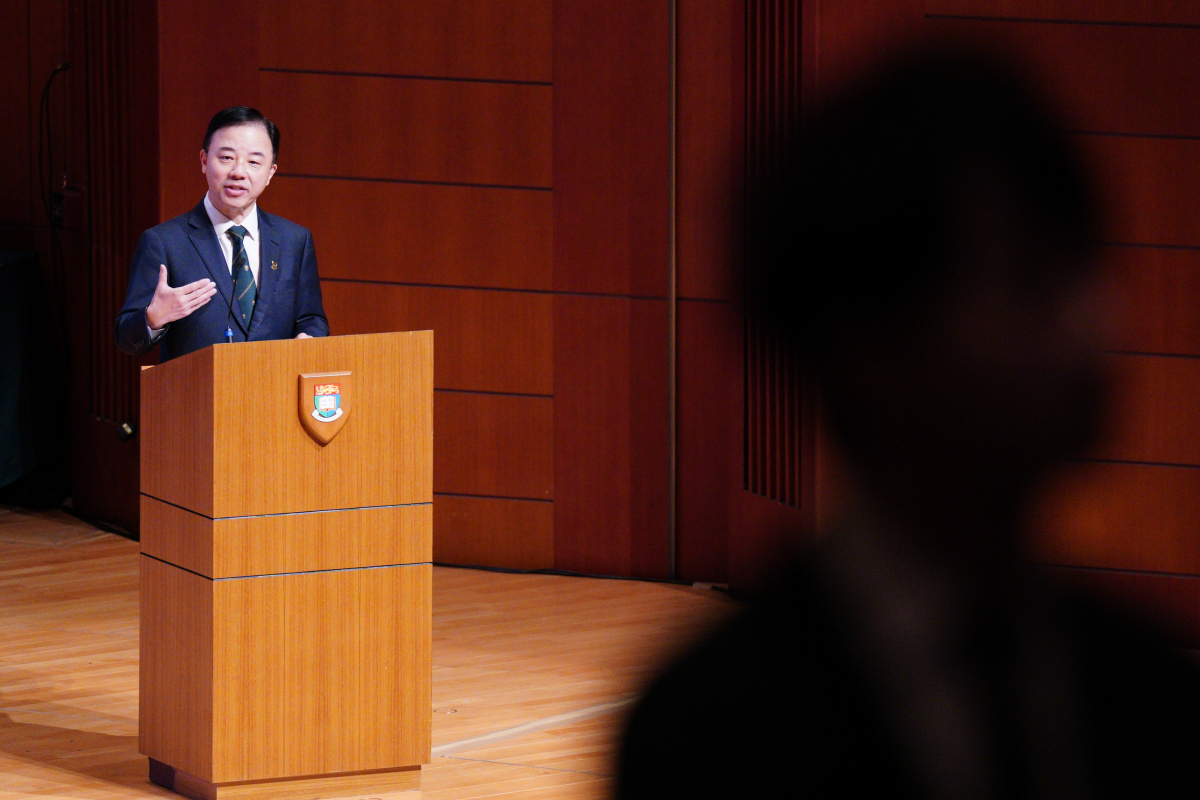
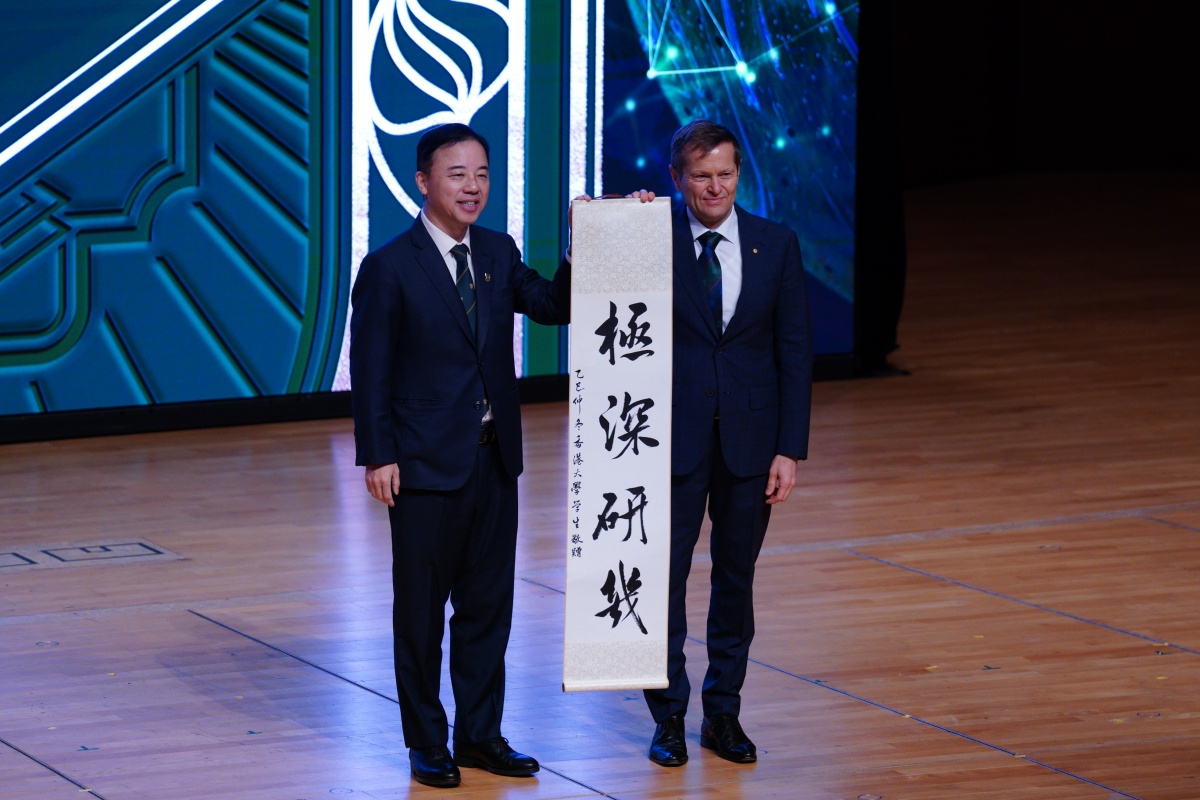
In his opening address, HKU President Zhang Xiang expressed great honor in inviting these eminent scientists to Hong Kong to engage with local faculty, students, and research talents. He noted that the world faces geopolitical challenges, making transnational cooperation difficult, and expressed HKU's hope to collaborate with international scholars to build bridges for global scientific exchange.
Nikolaus Turner, Executive Director of the Lindau Nobel Laureate Meetings, pointed out that the core of the meeting was not to focus on the latest scientific discoveries but to share the personal journeys of the Nobel laureates, hoping to inspire innovative thinking among the young scholars present through intellectual exchange.
The forum featured several distinguished Nobel laureates, including Robert C. Merton (1997 Nobel Prize in Economic Sciences), Louis J. Ignarro (1998 Nobel Prize in Physiology or Medicine), Tim Hunt (2001 Nobel Prize in Physiology or Medicine), Kurt Wüthrich (2002 Nobel Prize in Chemistry), Konstantin Novoselov (2010 Nobel Prize in Physics), and Ferenc Krausz (2023 Nobel Prize in Physics and HKU Chair Professor of Laser Physics).
Related News:
5 universities' surplus exceeds HK$9 bn, with HKU accounting for half at HK$4.65 bn




Comment