






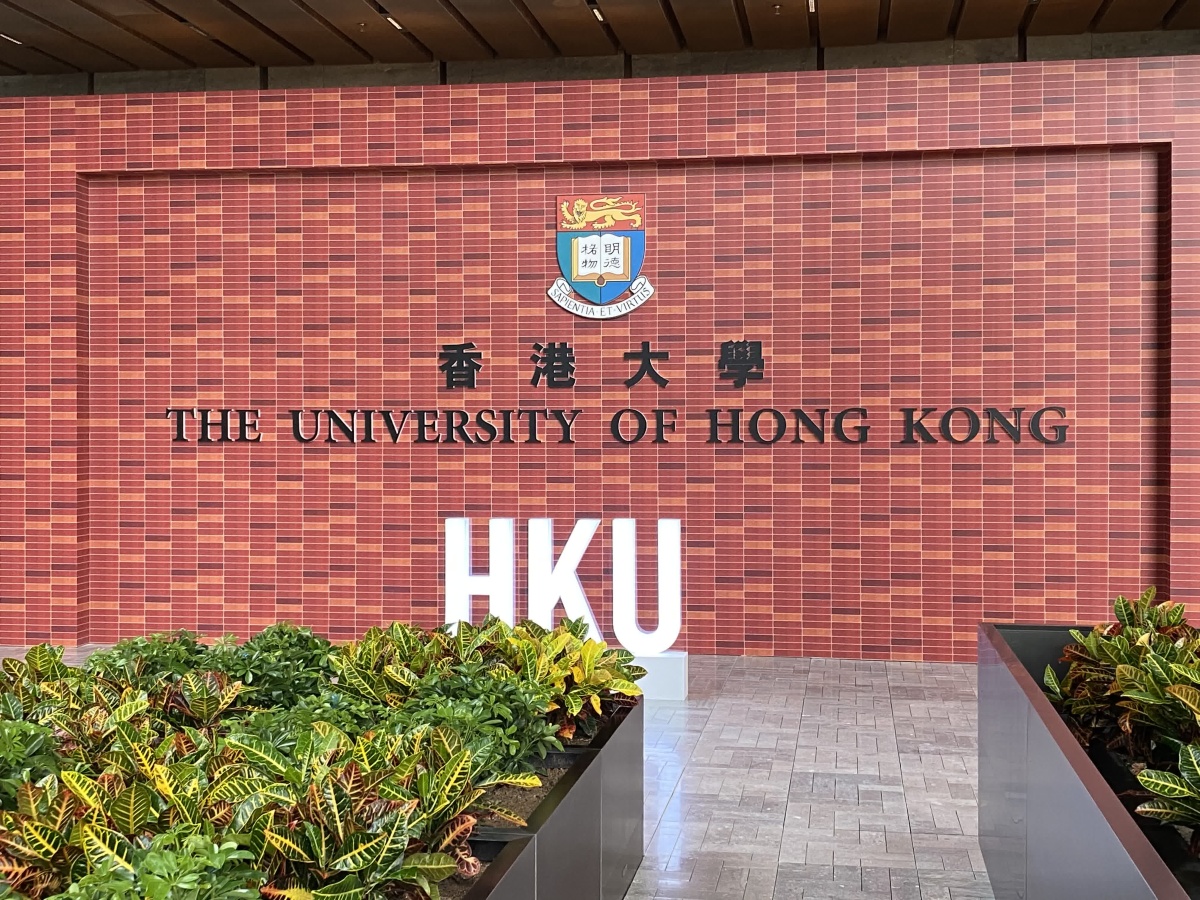
Several universities in Hong Kong have recently released their financial data for the 2024/2025 academic year. Despite a fiscal deficit in the Hong Kong Special Administrative Region government, which required multiple publicly-funded institutions to collectively return HK$4 billion in funding reserves to the University Grants Committee (UGC), the overall financial positions of these universities remain robust.
According to the latest financial reports or summaries released by the University of Hong Kong (HKU), the Chinese University of Hong Kong (CUHK), the Hong Kong University of Science and Technology (HKUST), Hong Kong Baptist University (HKBU), and City University of Hong Kong (CityU), three institutions reported increased annual surpluses, while two saw slight declines. Combined, the five universities recorded a total surplus exceeding HK$9 billion—an increase of HK$340 million compared to the 2023/2024 academic year, when no funding repayment was required.
Benefiting from Investment Performance and Tuition Fee Increases
HKU's latest financial report revealed a surplus of HK$4.647 billion for 2024/2025, an increase of HK$859 million year-on-year. The report noted that the repayment of HK$822 million to the government offset the growth in related subsidy grants. At the same time, increased tuition fees and improved investment performance significantly boosted the university's overall revenue, reflecting a diversified income structure.
On the expenditure side, HKU allocated HK$9.45 billion to teaching and research, with campus-related expenses accounting for HK$1.679 billion. The university plans to continue admitting outstanding students from diverse backgrounds and enhancing the foundational and technological facilities for teaching, learning, and research.
CUHK stated in its financial report that after deducting HK$1.041 billion repaid to the government from its "General and Development Reserve Fund," government funding for the year decreased from HK$6.75 billion to HK$5.79 billion. However, due to strong performance in major investment markets in 2025, net interest and investment income increased by HK$314 million, resulting in an overall surplus of HK$2.637 billion, slightly lower than the previous year's HK$2.933 billion.
The university noted that, as it enters a new three-year UGC funding cycle, during which recurring grants will cumulatively decrease by 2% annually, coupled with the one-time repayment of UGC reserve funds, it will adopt a prudent and conservative financial planning and management strategy to maintain financial stability.
For HKUST, the repayment of funding reserves led to a significant reduction in government grants and funding income to HK$2.558 billion for the current academic year. Nevertheless, increased tuition fees, course fees, and other charges contributed an additional HK$214 million, resulting in an overall surplus of HK$466 million—a decrease of over HK$700 million compared to the previous year.
CityU's annual surplus increased from HK$174 million to HK$586 million. The university attributed this growth to several key factors, including higher enrollment in master's programs, increased designated research funding, and improved investment returns, which provide important revenue sources for future development.
HKBU's financial report indicated a surplus increase of HK$95 million to HK$756 million for 2024/2025. Although part of the growth in government funding was offset, the university benefited from a rebound in financial markets and a high-interest-rate environment, which boosted its investment portfolio. Additionally, rising tuition fees and an increase in non-local student numbers contributed to a 7% growth in overall revenue.
(Source: Wen Wei Po)
Related News:
Deepline | Driving growth of commercial aerospace: A new economic gateway for Bay Area
Deepline | GBA HK Schools Expo at month-end: AI teaching to be key focus




Comment