






The 20th Eco Expo Asia was held at the AsiaWorld-Expo from Oct. 28 to 31. As one of the key events, on Oct. 29, Hong Kong's Environmental Protection Department (EPD) and the Chinese Academy of Sciences' Research Center for Eco-Environmental Sciences jointly led, for the first time, a delegation of senior officials from six Belt and Road (B&R) countries (including the United Arab Emirates, Laos, Cambodia, Bangladesh, Kazakhstan, and Sri Lanka) on a study tour to the Chinese Mainland.
This three-day visit to Changsha enterprises, including an international training course, facilitated the exchange and sharing of green innovation and technology experiences, marking a fresh step towards building cooperative bridges.
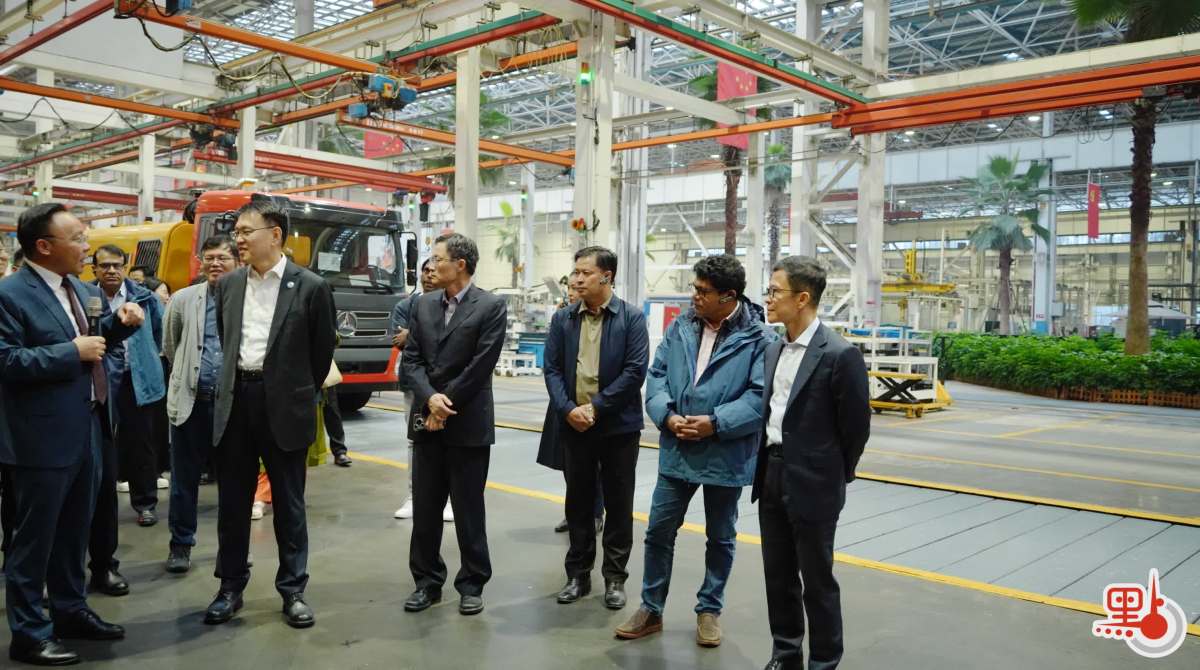
The delegation visited three leading environmental technology enterprises in Hunan: SANY Group, Infore Environment Technology Group Co., Ltd., and Lihe Technology (Hunan) Co., Ltd. They experienced firsthand state-of-the-art technologies in engineering machinery, intelligent sanitation equipment, and automatic environmental monitoring. They inspected production lines and R&D laboratories and engaged in discussions with company executives.
The delegation also visited the smart water quality monitoring station at the Changsha Monkey Stone Water Treatment Plant, which is equipped and operated by Lihe Technology, and the Chuanshanping Town sewage treatment plant in Miluo City, which is designed, built, and operated by Hunan Wisdom Water Environmental Engineering Co., Ltd. This enabled delegation members to have a comprehensive understanding of the real-time monitoring, data analysis, and application for maintaining the water quality of the Xiang River, as well as standardized sewage treatment processes.
Additionally, the delegation members attended the Green Silk Road International Training on Environmental Technologies and Sustainable Development, co-organized by the Chinese Academy of Sciences' Research Center for Eco-Environmental Sciences and the EPD. Former Vice Minister of the Ministry of Science and Technology Li Meng and former Vice Minister of the Ministry of Ecology and Environment Zhao Yingmin presented reports on topics including technological innovation in China's environmental management and green, low-carbon development.
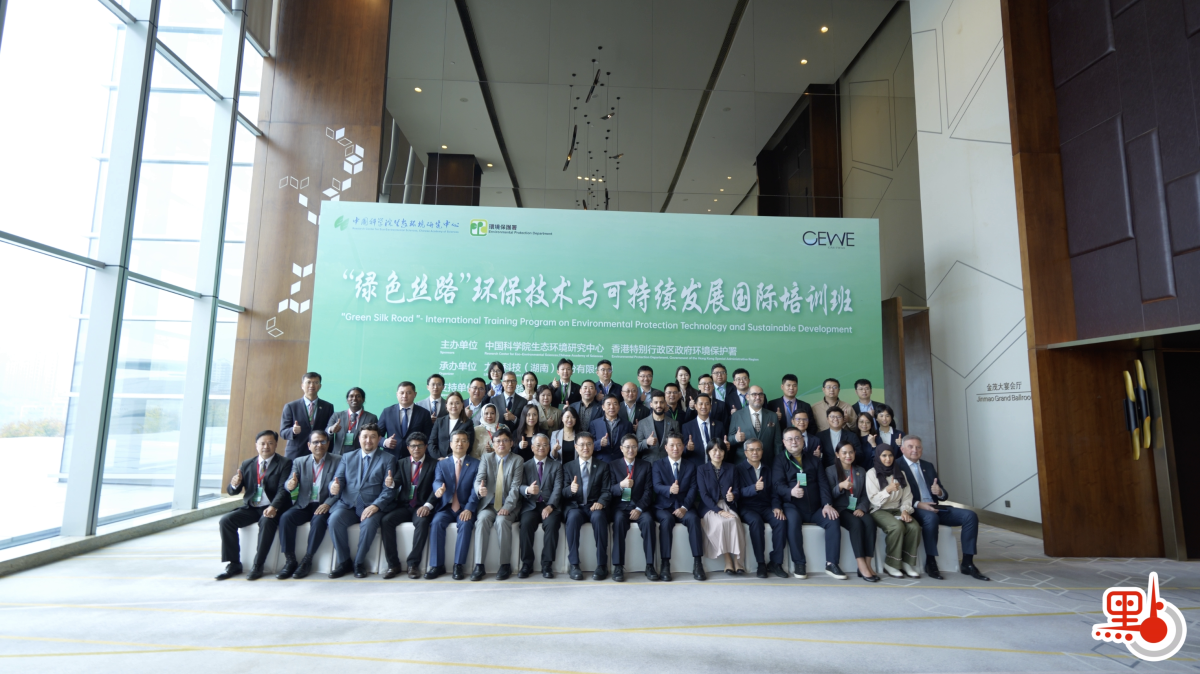
EPD: B&R Sustainable Green Development Training Centre to be established next year
In his opening remarks delivered at the international training course, Dr. Samuel Chui, Director of Environmental Protection, expressed that Hong Kong has always been an active participant, contributor, and beneficiary of the B&R Initiative. Under the unique "One Country, Two Systems" framework, Hong Kong plays the roles of a "super connector" and a "super value-adder." By leveraging these strengths, Hong Kong can better serve the nation as well as the world.
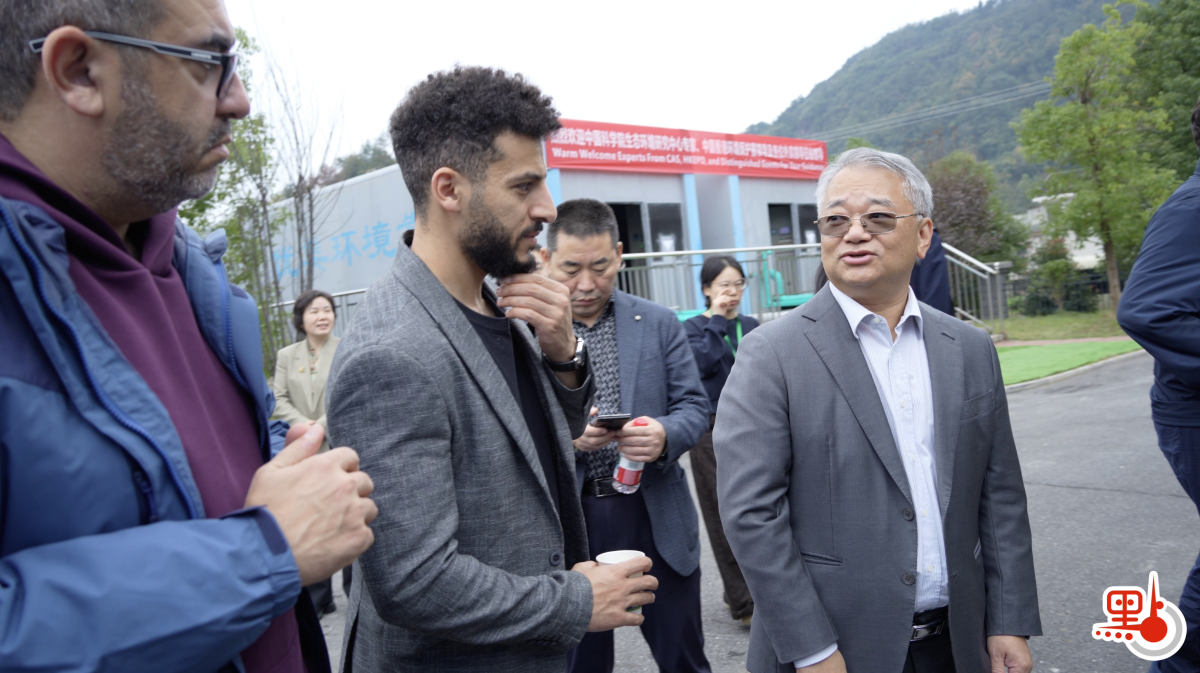
He pointed out that this training course has profound implications, marking the first time the EPD and the Chinese Academy of Sciences jointly organized technical seminars and field visits in the Chinese Mainland for senior officials from B&R countries, elevating their cooperation to a new level and laying the groundwork for the B&R Sustainable Green Development Training Centre scheduled to open next year.
Speaking to the media, Dr. Chui expressed that the EPD seized the opportunity of the Expo to invite for the first time the delegations to travel from Hong Kong to the Chinese Mainland, choosing Changsha, Hunan, as the destination of the inaugural international training.
"Changsha, Hunan, is a place where its environmental industry is developing strongly, with many having thrived for over 20 to 30 years. The environmental issues faced by many B&R countries involve heavy water and air pollution, as well as the impacts of climate change. Many delegation members expressed their delight at witnessing China's advancements in environmental protection, which can be adopted in their countries to address their pollution problems. Simultaneously, Hong Kong can play a bridging role by helping Mainland environmental enterprises to 'go global' through the Hong Kong platform."
Chinese Academy of Sciences: Leveraging strengths in I&T for a '1+1>2' effect
Mr. Kenneth Cheng, Deputy Director of Environmental Protection, who accompanied the delegation on the Changsha visit, also remarked that the various inspections and observations were highly impressive: "We believe the developments in low-carbon environmental protection and the green economy in the Chinese Mainland, whether in terms of scale of the enterprises, technological innovation, or product categories, can greatly broaden the delegation's horizons."
"Through in-depth exchanges with ministerial-level representatives from B&R countries, we found that they all desire substantial economic development for their nations but are trying to avoid repeating the old path of environmental pollution and destruction seen in developed countries. China's development model of low-carbon green transition offers them excellent inspiration and reference experience."
He specifically mentioned that delegation members were very meticulous during the visits, asking in-depth technical questions. "The products and services of Mainland enterprises can fully meet the needs of B&R countries; the question is how to bring the two sides together. " Mr. Cheng believes Hong Kong can act as an "intermediary," assisting Mainland enterprises in going global while attracting personnel from B&R countries to come to Hong Kong and the Chinese Mainland for exchanges.
Undoubtedly, the technologies and products developed by Mainland enterprises are among the global leaders, but could they be readily adopted and applied in B&R countries? Professor Yang Min, Director of the Overseas Cooperation Center for Environmental Science and Technology (OCCEST) at the Chinese Academy of Sciences' Research Center for Eco-Environmental Sciences, pointed out that for some low- and middle-income countries, certain Chinese technical solutions might not be immediately suitable.
For instance, the latest unmanned systems for monitoring water quality in laboratories need to accumulate more experience within China to improve product performance and reduce costs. In contrast, the manufacturing and usage costs of small or medium-sized laboratory equipment are much lower, suggesting significant potential for application. Regarding the Sustainable Green Development Training Centre to be established in Hong Kong next year, Professor Yang expressed that the Chinese Academy of Sciences can contribute its expertise in technological innovation.
"The EPD and the Chinese Academy of Sciences can leverage their respective strengths to achieve a synergistic effect where 'one plus one is greater than two.'"
GSGS East Asia Regional Hub established in Hong Kong
It is worth noting that this year's Expo yielded fruitful outcomes, attracting 44 delegations from the Chinese Mainland, ASEAN, and other B&R countries, involving over 200 officials, industry elites, and experts in the environmental field.
According to Dr. Chui, Hong Kong's environmental cooperation development will focus on three areas: First, as proposed in this year's Policy Address, the B&R Sustainable Green Development Training Centre will be established in 2026 to help senior professionals or technical talents from other countries come to Hong Kong for training, enhancing their environmental knowledge and abilities in the application.
Second, Hong Kong will cooperate with the Belt and Road Initiative International Green Development Coalition (BRIGC) for establishing a B&R Green Development Co-operation Platform in Hong Kong next year to host more international conferences and forums, facilitate Mainland enterprises to set foot in Hong Kong, and strengthen exchanges among personnel from various countries.
Third, the EPD exchanged a memorandum of understanding (MOU) with the IHE Delft Institute for Water Education from the Netherlands to establish the Global Sanitation Graduate School (GSGS) East Asia Regional Hub in Hong Kong. This Regional Hub will use teaching materials developed by the GSGS to conduct training courses in Hong Kong, attracting environmental professionals from B&R countries to learn about green innovation and technological experiences.
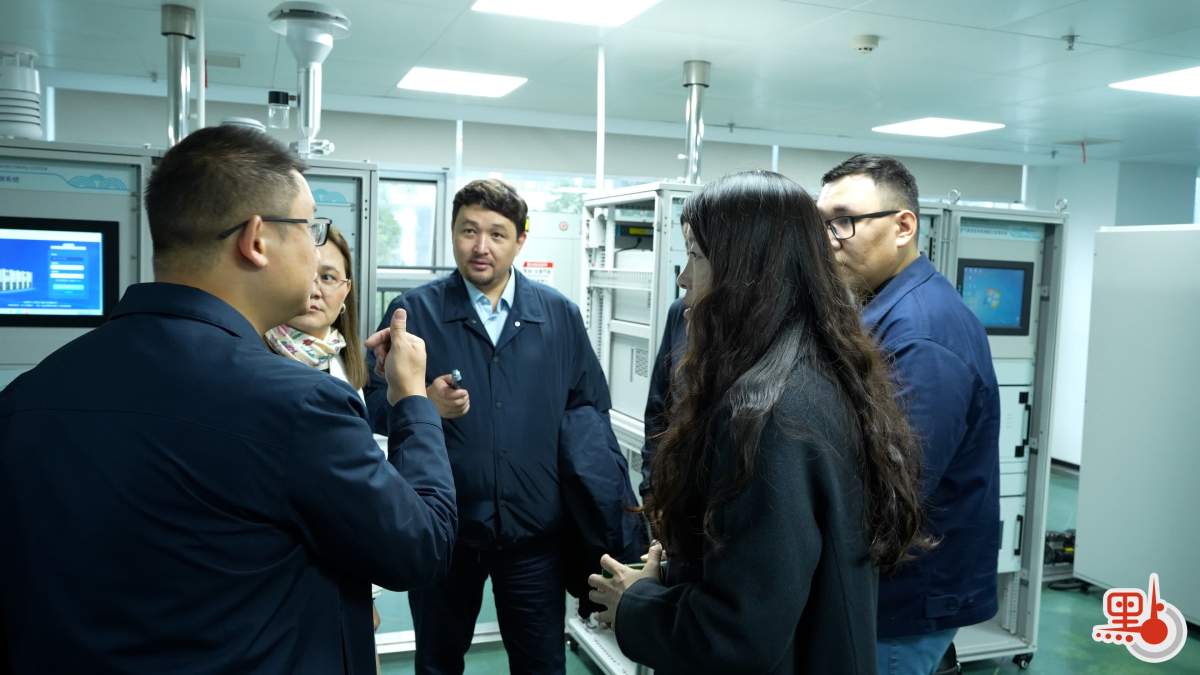
Professor Damir Brdanovic, Director of the GSGS, advised that the East Asia Regional Hub, established in cooperation with the EPD, is the sixth regional hub established globally. He expected that training could be launched by mid-next year to undertake GSGS operations in the East Asia region. "This initiative is a significant game changer to support training not only in Hong Kong and the Chinese Mainland but also in countries that are members of the B&R Initiative."
B&R country representatives commended Chinese technology
Reflecting on the Changsha trip, officials from B&R countries unanimously appreciated their substantial gains. Mr. Sounadeth Soukchaleun, a Deputy Director in Laos, mentioned that Laos has air pollution issues from cars and factories, which means they need advanced tools like monitoring devices and electric street cleaning vehicles that follow current environmental rules. He found this visit an excellent learning opportunity and sees broad prospects for cooperation with Changsha enterprises.
H.E. Ms. Meas Chanthyda, Under Secretary of State, Ministry of Environment of Cambodia, pointed out that the Ministry has formulated the "Circular Strategy on Environment 2023-2028," focusing on "Clean, Green, Sustainable," and emphasizing the need to prevent air, plastic, and water pollution. Noting the long history of cooperation between China and Cambodia, she expressed hope that this trip would initiate new collaborations and introduce Changsha's smart technologies, such as online environmental monitoring stations, to Cambodia.
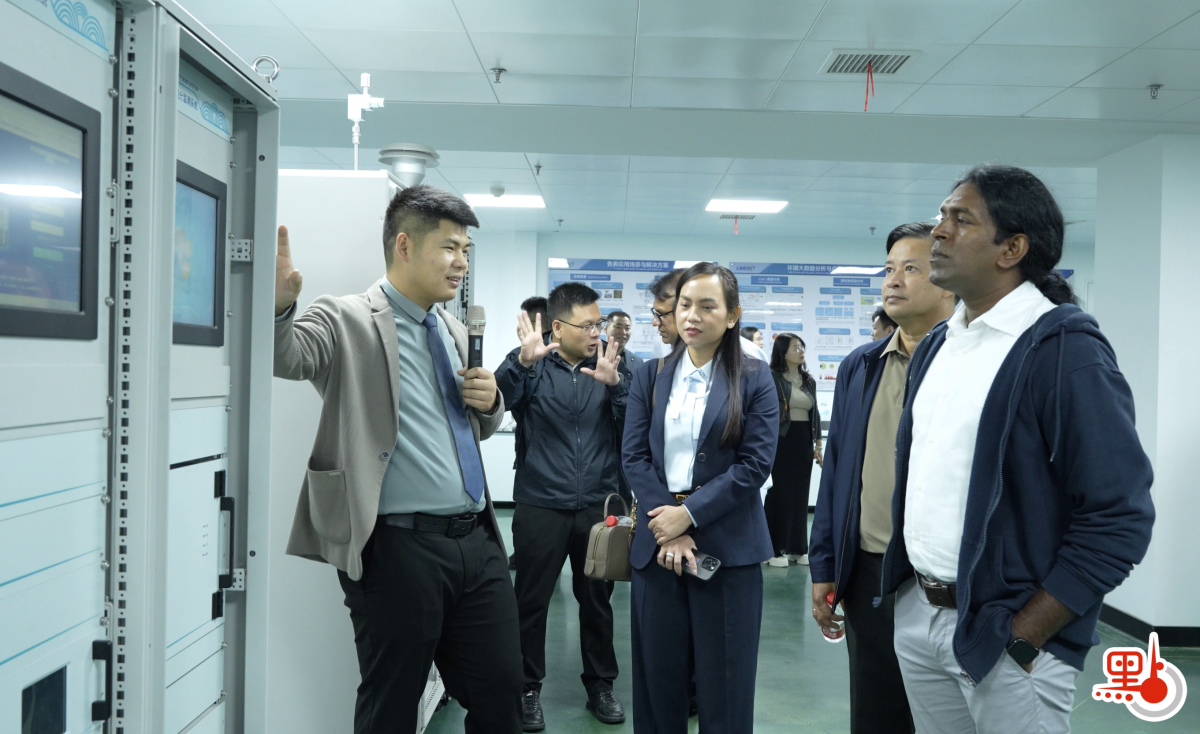
Hon. Dr. Dammika Patabendige, Minister of Environment of Sri Lanka, expressed gratitude to the Chinese and Hong Kong SAR governments for organizing the event. He noted that Sri Lanka faces serious air and water pollution problems, and the priority is to utilize China's advanced air and water quality monitoring systems, increase monitoring stations, build databases, and accumulate experience in environmental management.
Dr. Ravindra Kariyawasam, Advisor to the Minister of Environment of Sri Lanka, similarly remarked that the production technologies they currently use are relatively outdated and harmful to the natural environment. He stated that Chinese environmental enterprises, through high-end green innovation, successfully balance environmental protection and economic development.
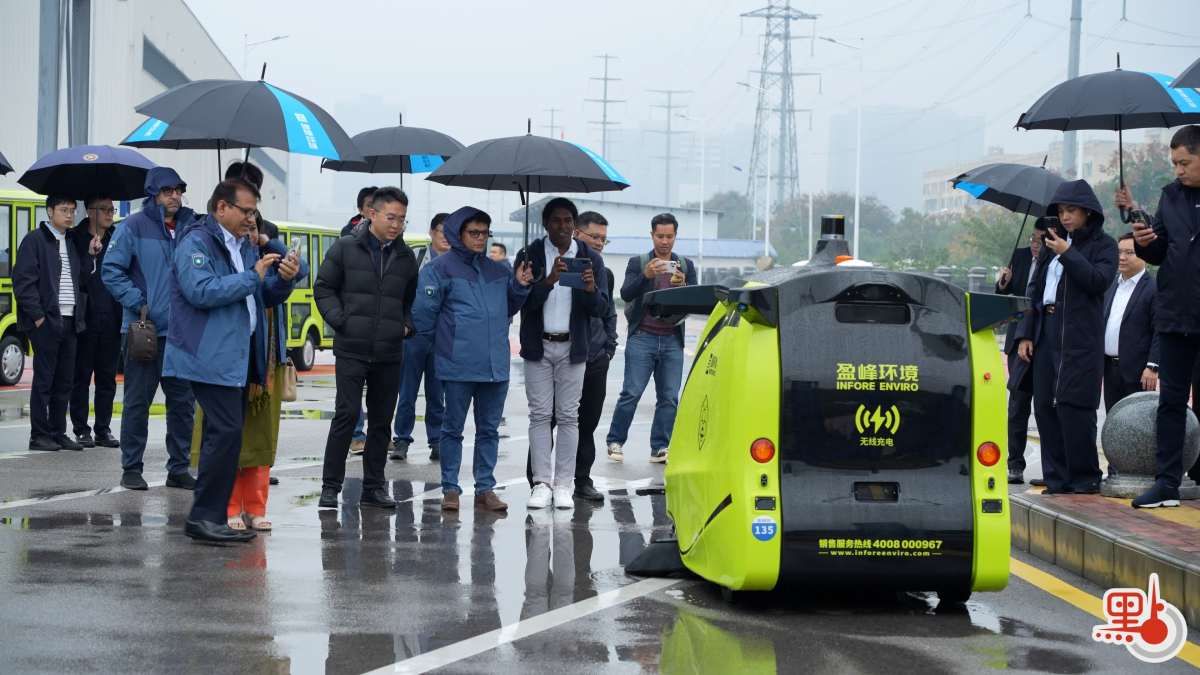
Indeed, in addressing the environmental challenges of B&R countries, Hong Kong is leveraging its extensive experience and expertise to bring state-of-the-art solutions to these regions, continuously promoting their green development.
"The EPD signed an MOU with Sri Lankan authorities in 2023 on professional development. Last July, I led a delegation to Sri Lanka to share Hong Kong's unique experiences in sewage treatment and seawater flushing, conduct technical training on beach water quality monitoring, and donated two sets of computer software, including an intelligent air quality simulation platform and a marine discharge simulation software, to Sri Lanka," Dr. Chui said. With the successful implementation of these technologies, the EPD is actively promoting the extension of environmental cooperation to more places, such as Laos and Cambodia, helping to deepen and solidify B&R green development and jointly achieve a green and sustainable future.
Related News:
Exclusive | Eco Expo Asia attracts over 300 exhibitors from 'Belt and Road' countries















Comment