






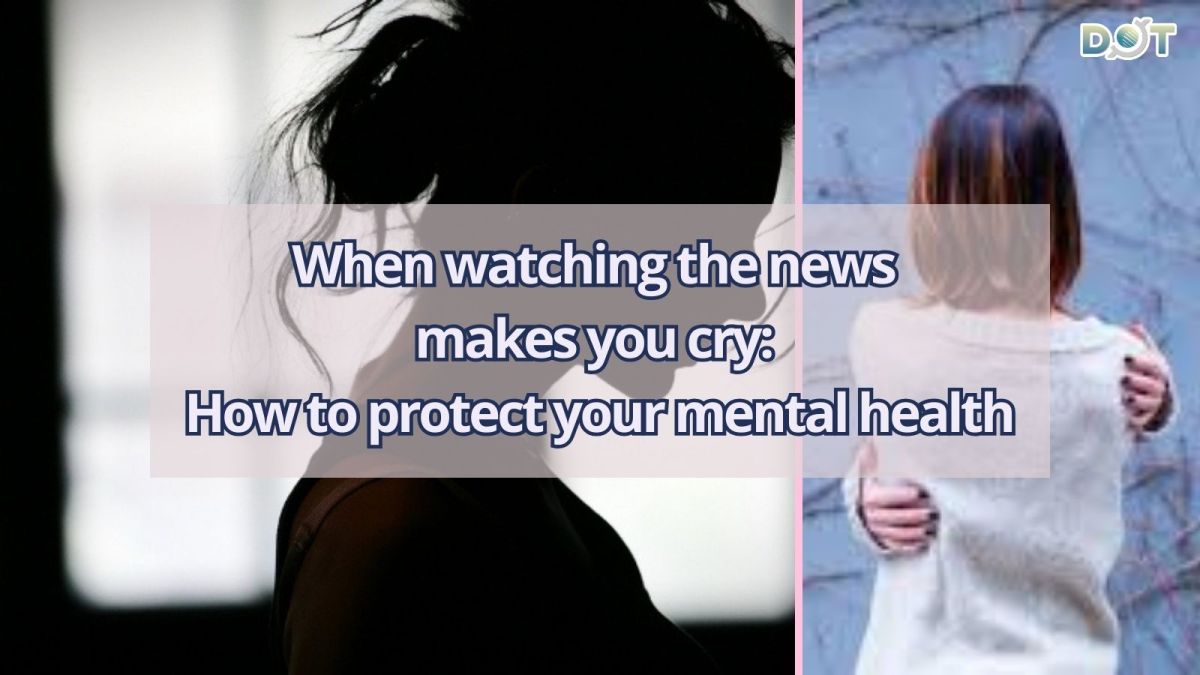
In the aftermath of recent tragic events in Hong Kong, many residents have reported feeling emotionally overwhelmed after watching disaster-related news. Some describe feeling a deep sense of pain, sadness, or helplessness—especially after seeing interviews with survivors or distressing imagery from the scene. While these reactions may feel difficult to manage, mental health professionals emphasize that they are a natural part of the human experience.
When we witness the suffering of others—even through a screen—we often feel emotional distress as a result of empathy. This is particularly true for individuals who are naturally more empathetic or are already going through a difficult time in their lives. Such emotional responses can manifest in physical symptoms like loss of appetite, sleep disturbances, anxiety, or even tearfulness.
Subsequently, how can we manage these intense emotional reactions in a healthy way?
First, it's important to acknowledge that these feelings are completely normal. Experiencing emotional discomfort after witnessing tragic events does not mean you are weak—it means you are human. However, if the emotions begin to interfere with daily life, it's essential to take steps to protect your mental well-being.
One effective strategy is to limit exposure to emotionally triggering content, especially firsthand survivor accounts or graphic images. Watching too much of this kind of content can intensify emotional distress and lead to prolonged psychological discomfort.
It's also helpful to monitor your emotional state over time. Ask yourself:
- Are you constantly thinking about the event?
- Are these thoughts becoming less frequent as time passes?
- How intense are your emotions on a scale from 1 to 10?
If the emotions are extreme or do not ease over time, professional support may be necessary. But if the symptoms are mild and manageable, there are also simple techniques that can help ease the tension.
One such method is diaphragmatic (or abdominal) breathing. This involves breathing deeply and slowly, focusing on expanding your belly like a balloon as you inhale, pausing briefly, and then exhaling in a controlled manner. This technique can help reduce stress and calm the nervous system, especially during moments of anxiety or emotional overwhelm.
Lastly, remember to be kind to yourself and others. Everyone processes trauma differently, and there is no "right" way to feel. Offering yourself compassion and understanding is the first step toward emotional healing.
If overwhelming emotions persist, don't hesitate to reach out for professional help. Your mental health matters—and taking care of it is a sign of strength, not weakness.
Related News:
Deepline | Deceitful mesh mix: Substandard flame-retardant netting suspected in fatal Tai Po fire




































Comment