






The year's biggest full moon lit up the night sky in November—did you catch it? If not, there's still one more chance to witness this celestial marvel. On Dec. 5, the second-largest full moon of the year will grace the heavens. People can begin their moonlit journey on the evening of Dec. 4. The full moon will reach its peak at 7:14 a.m. on Dec. 5, but by then, daylight will make moon-gazing less optimal.

A full moon occurs when Earth lies between the Sun and the Moon, aligning them in nearly a straight line. During this phase, the Moon's illuminated side faces Earth directly, creating the striking view we all know and love.
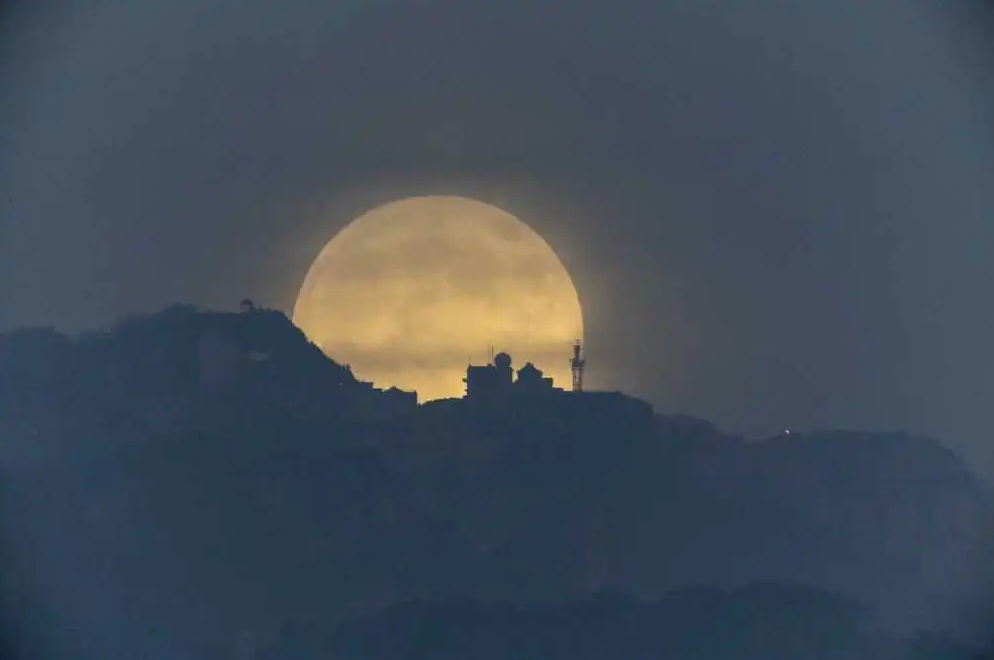
The Moon orbits Earth along an elliptical path, with its closest point to Earth—known as the perigee—making the Moon appear larger and brighter. If a full moon occurs when the Moon is near its perigee, it is called a "supermoon." While supermoons are not exceedingly rare, occurring multiple times a year, they depend on the precise timing of the Moon's orbit and can vary slightly in size and brightness.
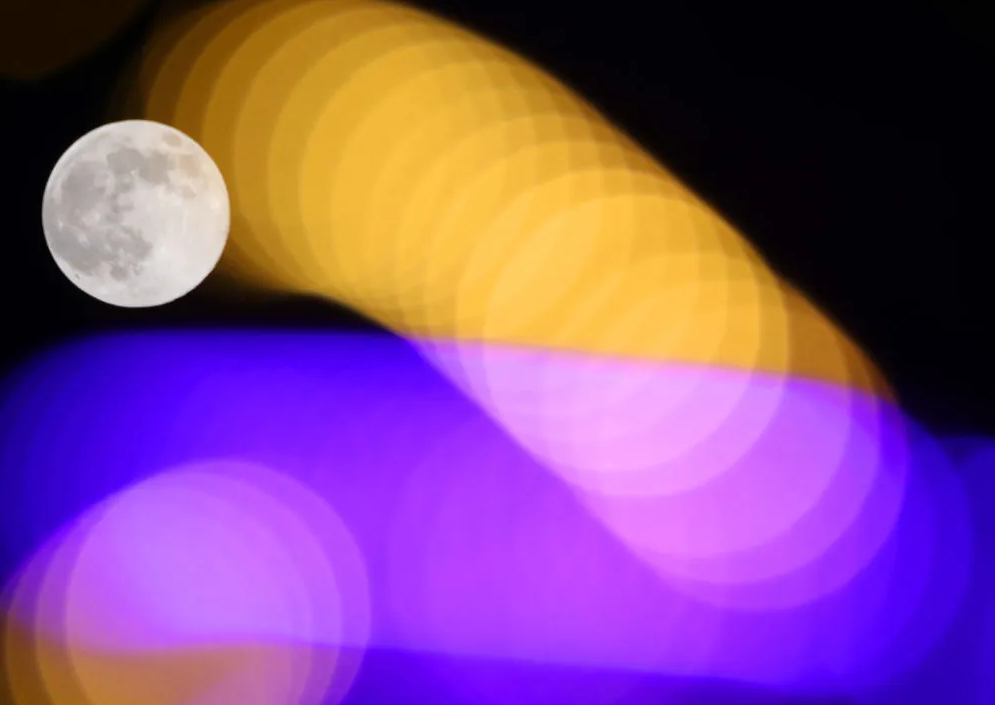
This year, there have been three supermoons: on Oct. 7, Nov. 5, and the upcoming Dec. 5. Among them, November's supermoon was the largest, followed by December's, with October's taking third place. On the other hand, the smallest full moon of the year appeared on April 13.
Related News:




Comment