







The prospect of traveling through China is thrilling, promising an unparalleled journey into a world of diverse and profound culinary traditions. For travelers with food allergies, however, this excitement can be tinged with apprehension. The complex sauces and language barrier present real challenges. But with the right preparation, you can confidently navigate the menu and savor your adventure.
Understanding the Hidden Culinary Landscape
The key to safe eating in China lies in understanding where allergens often hide. Chinese cuisine relies heavily on foundational sauces and broths that can contain unexpected ingredients.
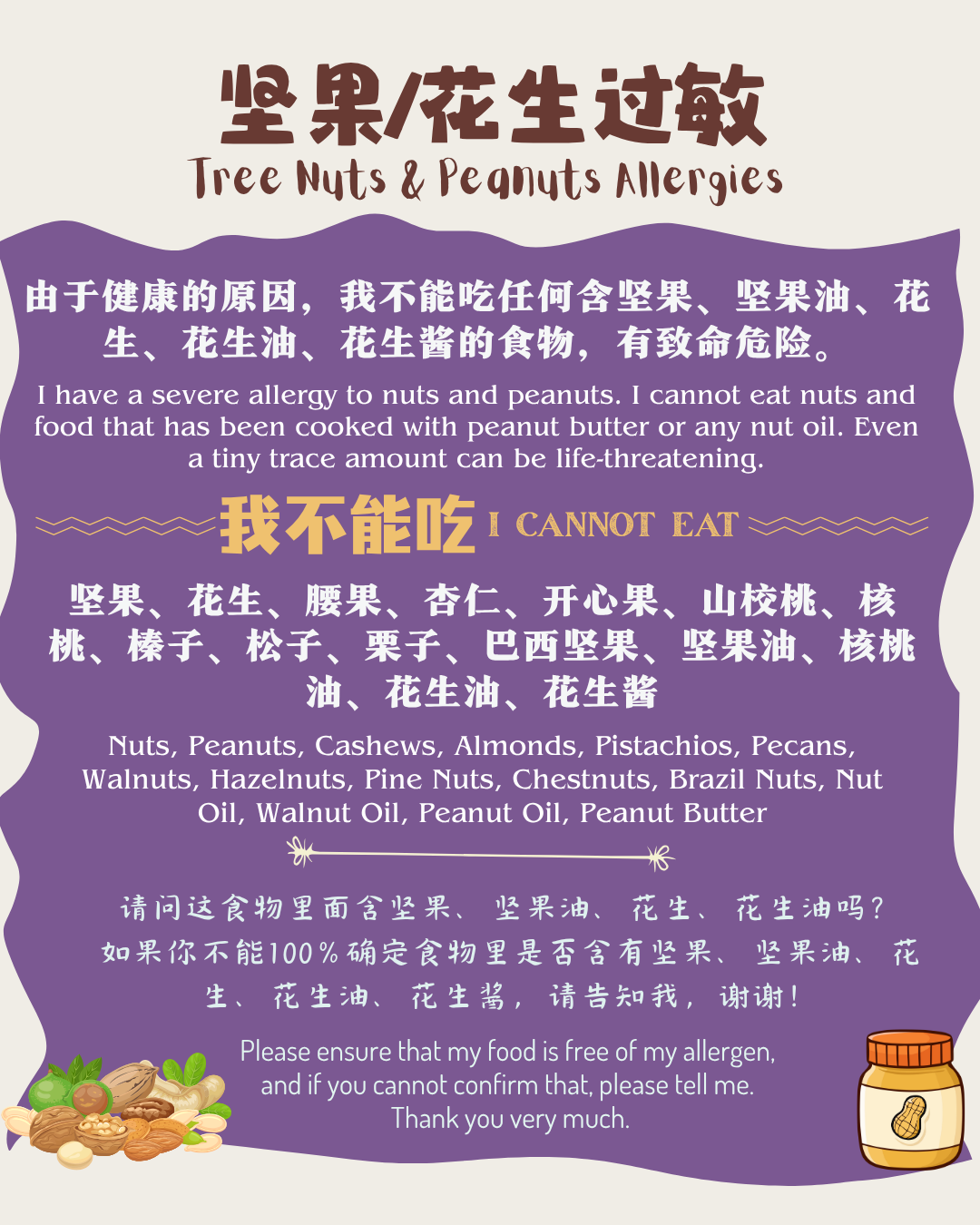
One of the most common and potentially dangerous allergens is peanuts. They appear not just as a garnish in dishes like Kung Pao Chicken, but also crushed into sauces, and, crucially, as peanut oil, which is a popular cooking oil.

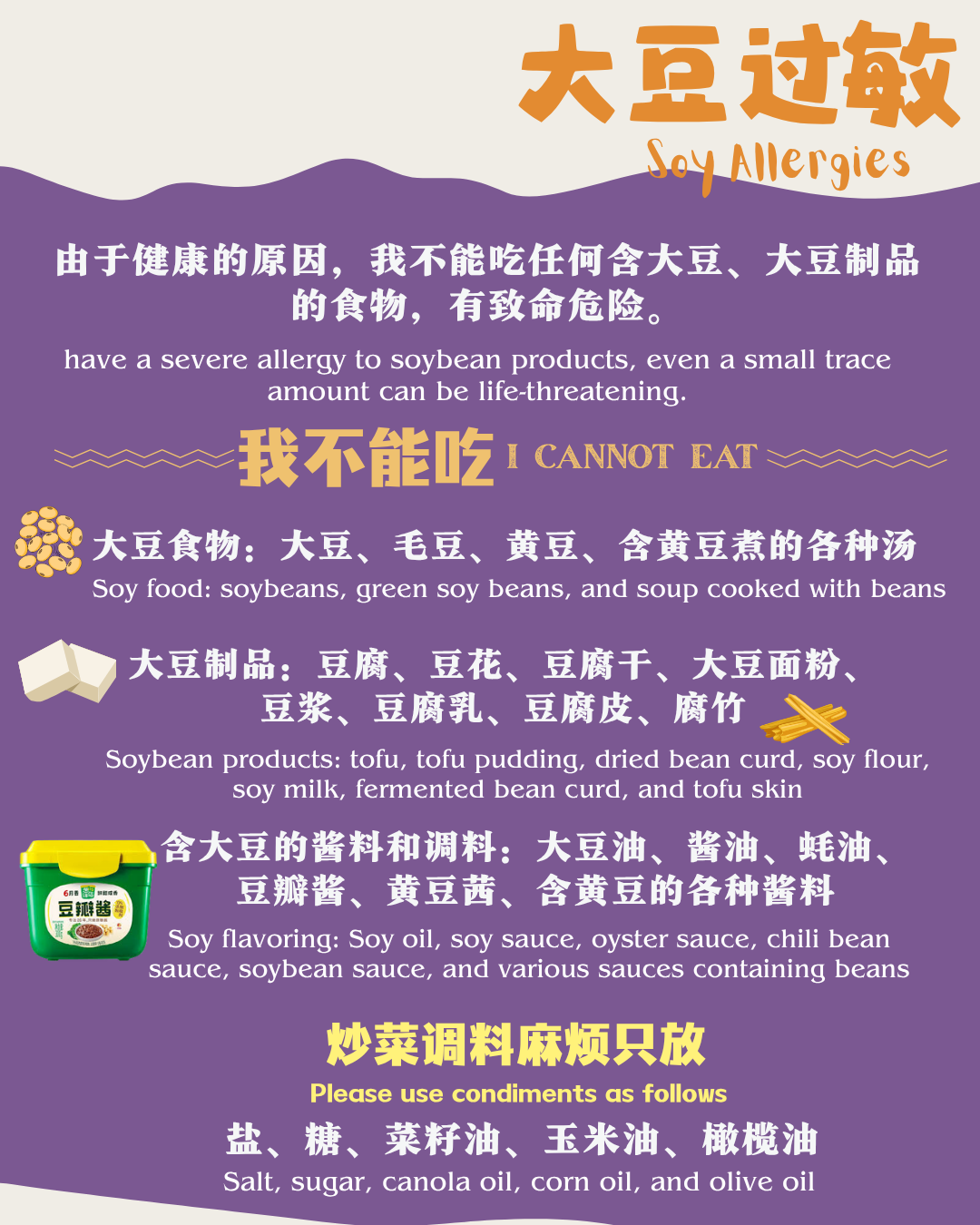
Soy is another cornerstone of the cuisine and is perhaps the most difficult to avoid. It's the base of the ubiquitous soy sauce, which is used in nearly every marinade, stir-fry, and dipping sauce.

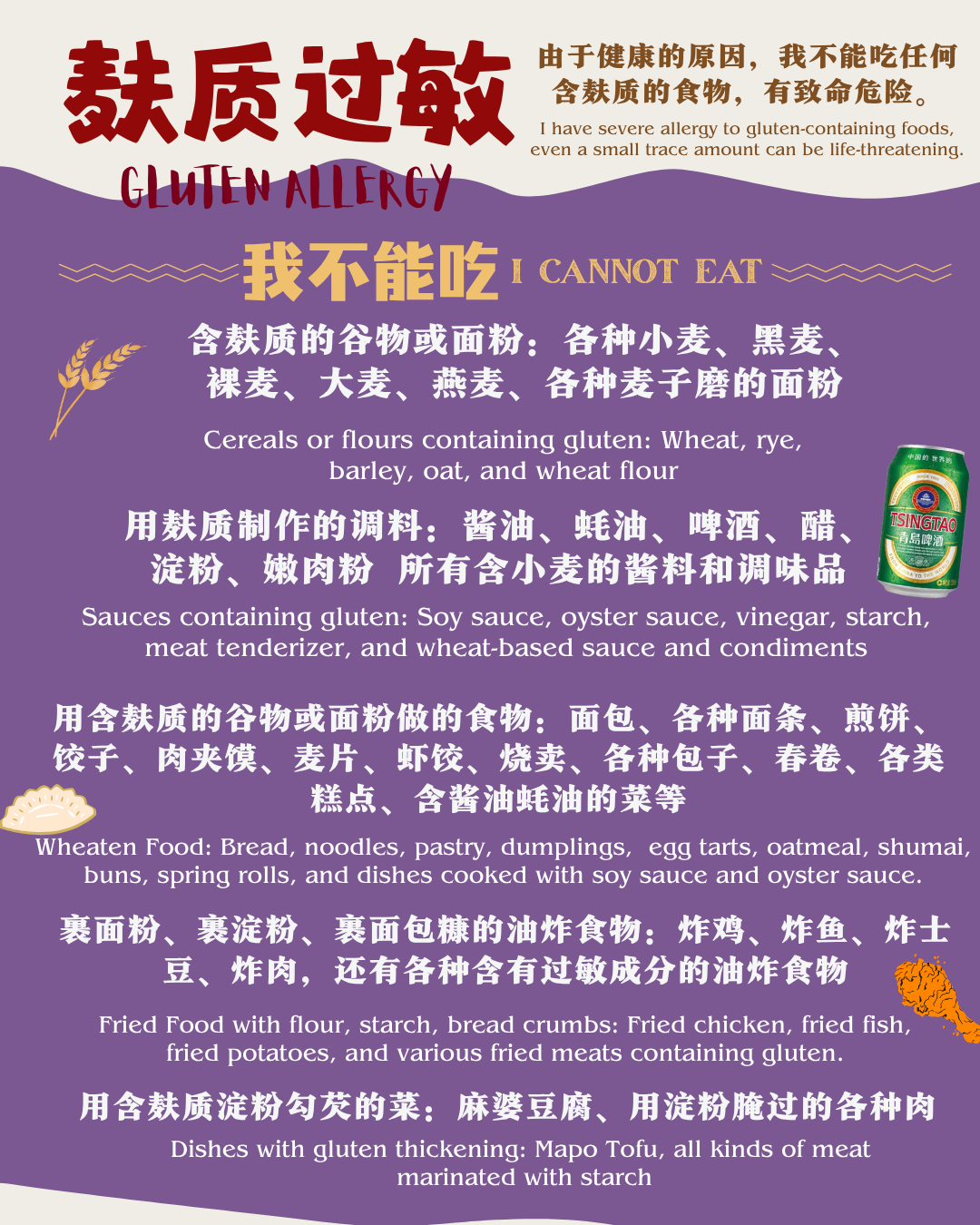
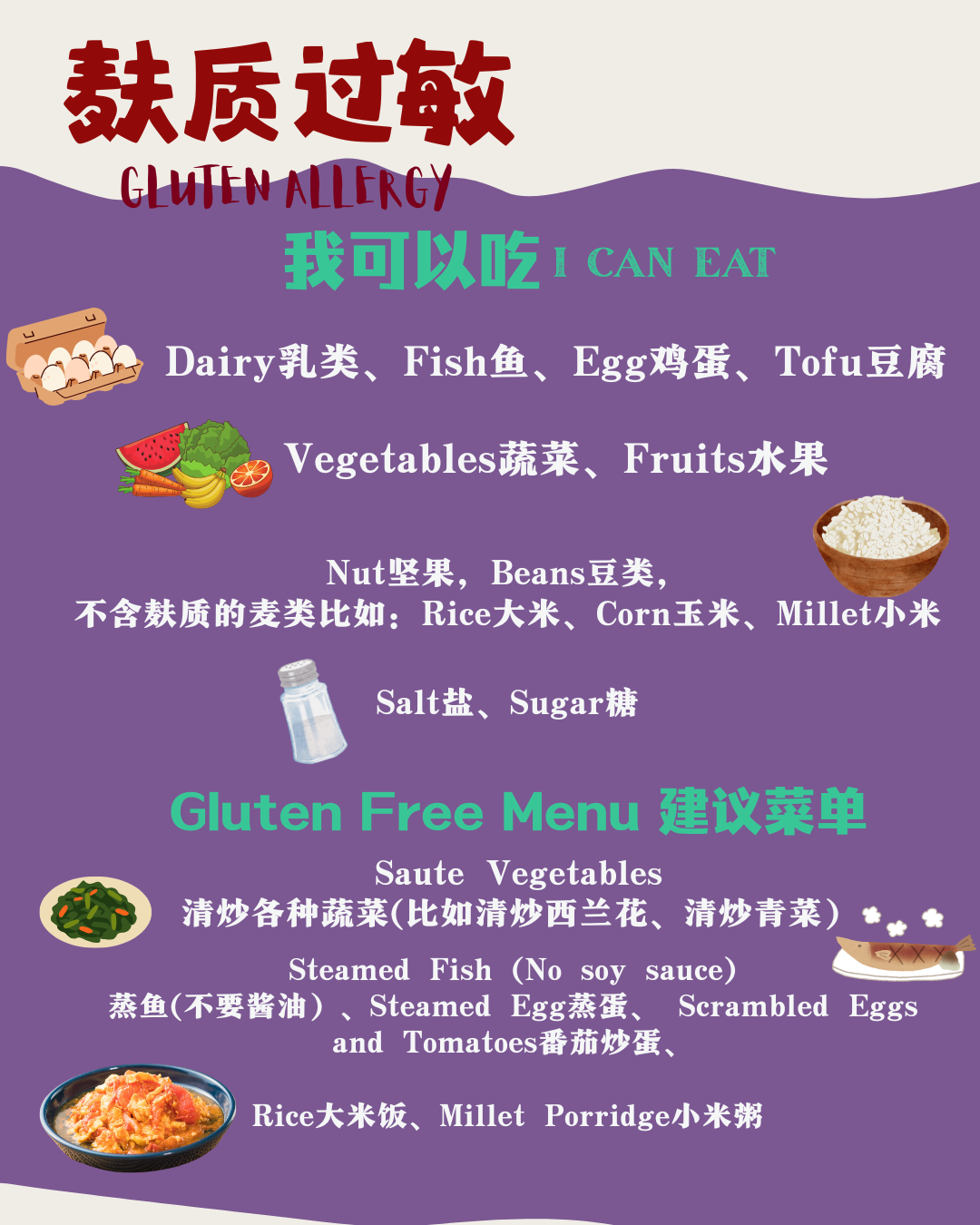
For those with a wheat or gluten intolerance, the primary concern often lies in the noodles. However, some of the sauces that are used in Chinese dishes also contain gluten. Travelers should clearly mention it to the restaurants beforehand.
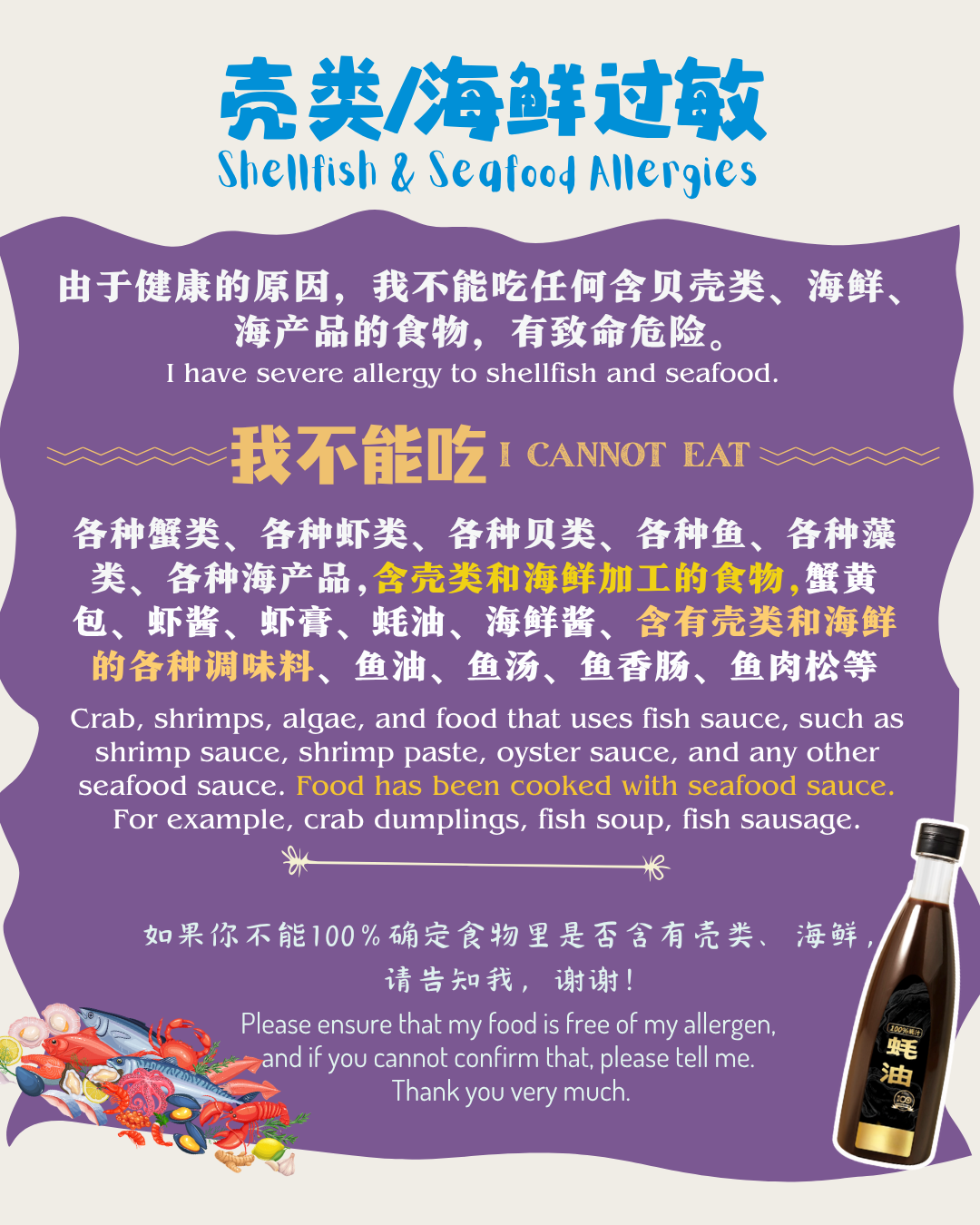
Meanwhile, shellfish can be a hidden danger, even in dishes that don't seem to contain any. Dried shrimp is a common flavoring agent in soups, fried rice, and fillings, especially in Cantonese cuisine.
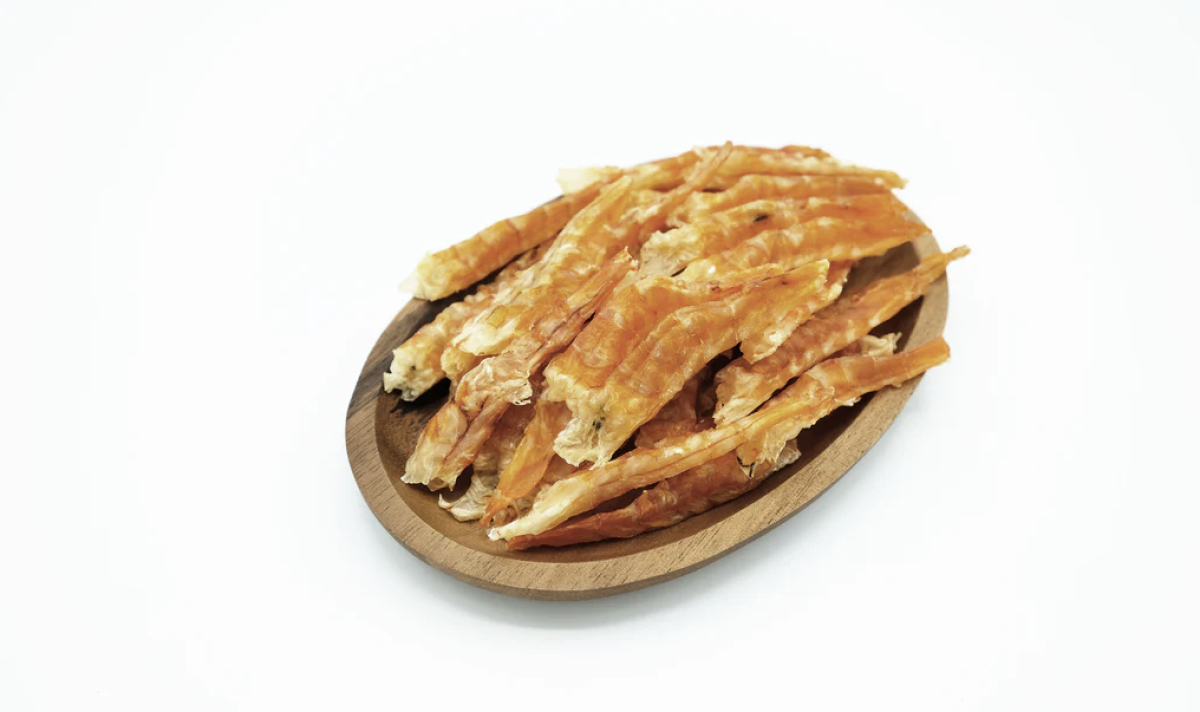
Sesame oil is also frequently used as a finishing touch to add fragrance to a dish, making it a hidden risk in many prepared foods.
Your Practical Plan for a Safe Journey
Before your trip, you should pack your medications for emergency use if you have any food allergies. You can also download offline translation apps so you can communicate your needs to the restaurants easily.
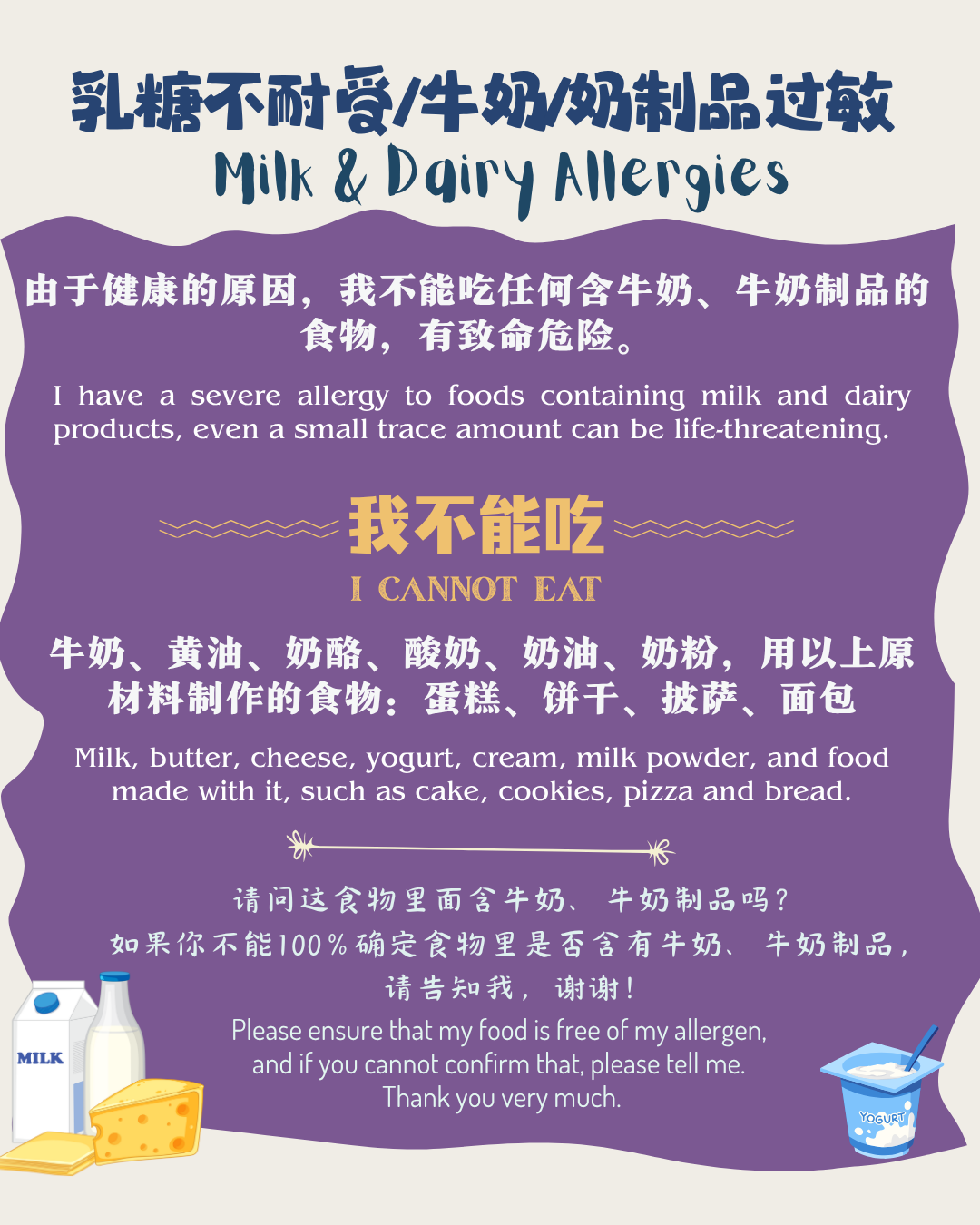
You should also have "Allergy Cards" translated into Mandarin that clearly state your allergy. We have prepared some cards for common allergens:
Related News:
Chinapedia | China travel: Avoid these peak travel dates in China
Chinapedia | From world's best to hidden gems: Discover HK's bars with updated map




Comment