






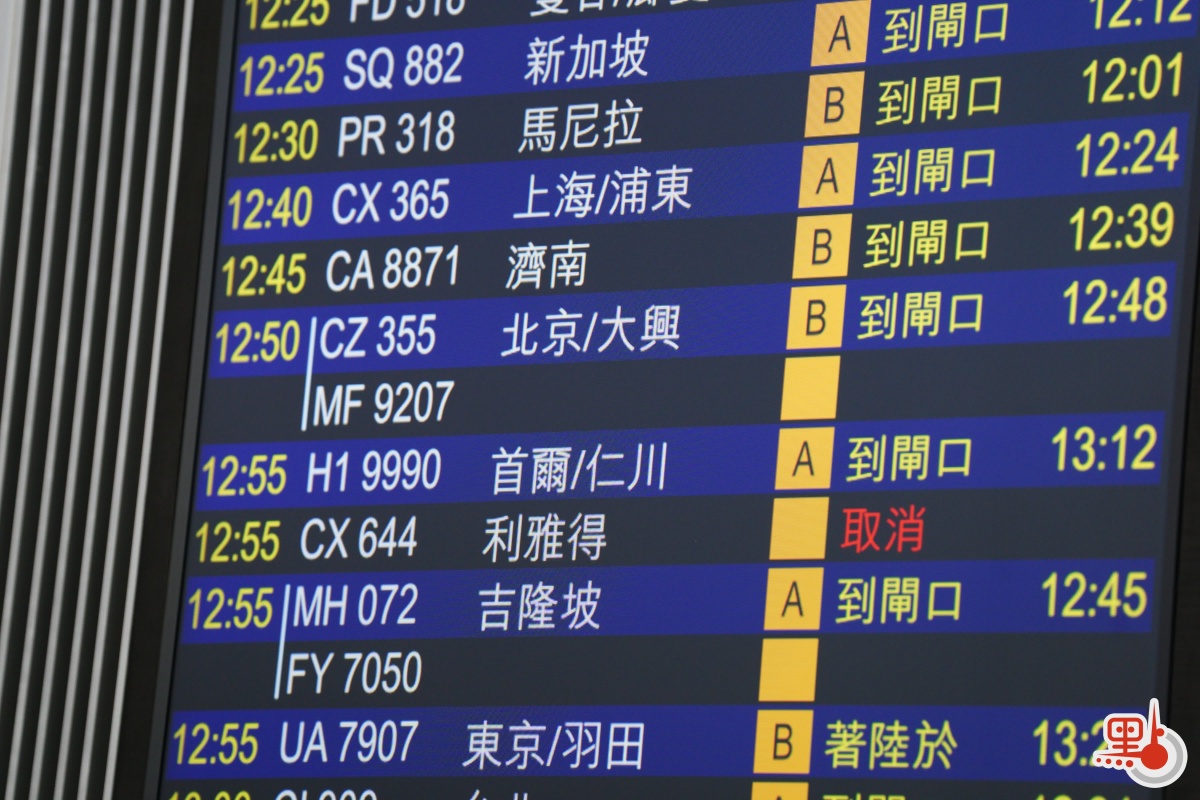
Recently, a survey on the "Impact of the Middle East Conflict on Travel Intentions" was conducted. The survey found that only 11% of respondents said their booked flights or itineraries had been affected. Among those affected, 41% experienced flight delays, 45% had to change their plans, 43% had to pay extra fees, and 23% canceled their trips.
Safety and cost dominate traveldecisions
The survey found that when planning their 2026 travel itineraries, as many as 72% of respondents said they would "avoid areas affected by the Middle East conflict (including transit points)." At the same time, economic pressure cannot be ignored, with nearly nine out of ten (86.5%) respondents stating that "rising airfare prices" affect their travel decisions. Furthermore, the proportion of respondents who said they would travel to destinations outside Asia in 2026 decreased by 40% compared to the previous year.
Regarding the annual travel budget, 62.5% of respondents plan to increase their budget, while 25.3% plan to keep it unchanged. This suggests that the surveyed citizens generally expect travel costs to rise and tend to respond by increasing their spending.
The survey also shows that the respondents represent a demographic with considerable purchasing power: their ages are predominantly 40–59 (49.9%) and 25–39 (33.2%); more than half (51.2%) hold a university degree or higher. In 2025, 75% traveled abroad multiple times, 74% had a maximum vacation period of five days or more, and 16% traveled to destinations outside Asia.
(Editor: Lynn Zhou)
Related News:
US hit by fallout of the Iran War: California aviation fuel reserves hit 2.5-year low
Iran's Mahan Air announces resumption of passenger flights between Iran and China




Comment