






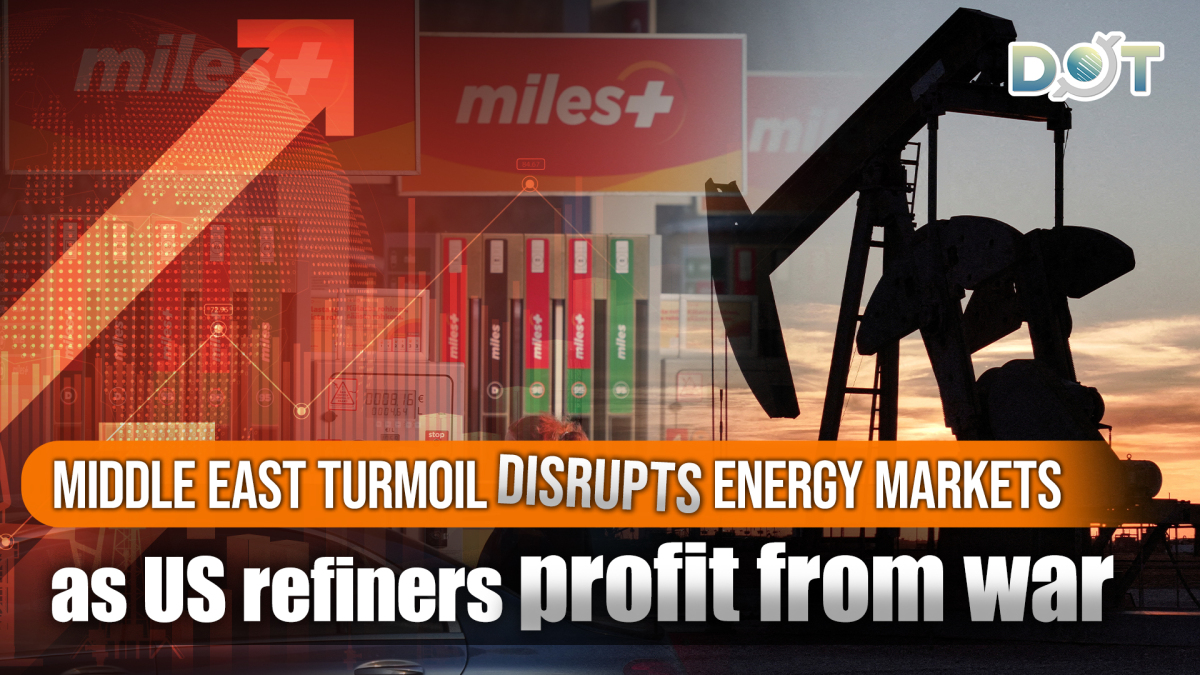
As the Iran conflict continues to escalate, sending shockwaves through global energy markets, US oil refiners are cashing in on the crisis. The Financial Times reported on April 20 that while the global energy supply chain remains under pressure from the Iran conflict, US refiners are taking advantage of relatively cheaper domestic shale oil to sell petroleum at high prices and reap profits.
Data from energy consultancy Rystad Energy shows that US refiner profit margins have now climbed to between US$20 and US$25 per barrel — nearly double normal levels from early March. The US has also benefited from increased crude oil imports from Venezuela, which have risen to 412,000 barrels per day over the past year — triple the volume before the US military incursion into Venezuela in January of this year. Campbell, head of product development at Energy Aspects, said the US refining industry has long enjoyed the advantage of lower domestic crude prices. "Now we are seeing that advantage being magnified many times over."
The report notes that many US refineries have also significantly increased exports of diesel and jet fuel, selling them to Europe, Asia, and even Australia. The windfall from surging energy prices is also expected to drive many US companies back into regions previously considered too costly or risky to explore. For example, oil giant ExxonMobil has proposed investing up to US$24 billion in deepwater oil fields in Nigeria.
However, whether this "boom" can be sustained remains uncertain. Campbell cautioned that if the Strait of Hormuz is blocked for a long period, Asian buyers will compete more aggressively for oil, which could drive up domestic US oil prices and compress refiners' profit margins. At that point, US refiners could face increasingly fierce competition: "It will be interesting to see whether US crude supply becomes tight in the coming months."
Rising gasoline prices are also hurting US consumers and could influence the midterm elections in November. A Quinnipiac University poll released on April 20 shows that 65% of Americans believe President Trump is responsible for the recent surge in oil prices.
Related News:
Middle East tensions spill into Japan's fishing industry: Fear in 'life-or-death' situation
US not to renew 30-day Iran oil sanctions waiver expiring April 19, to unleash full 'Economic Fury'




Comment