






According to CCTV International, on March 28 (local time), the Israeli military carried out airstrikes on southern Lebanon, killing three Lebanese journalists in the Jdeideh (Jezin) area: veteran Al Manar TV reporter Ali Shuaib, Fatima Futuni of Al-Mayadeen, and her brother Muhammad, who was a video journalist. The Israeli military acknowledged that Shuaib was the target of the strike and, without providing conclusive evidence, accused him of being an intelligence operative for Lebanese Hezbollah.
Lebanese President Joseph Khalil Aoun condemned the attack, calling it an "outright crime" that "violates all laws and agreements protecting journalists."
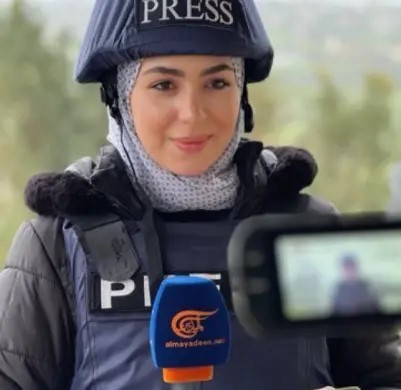
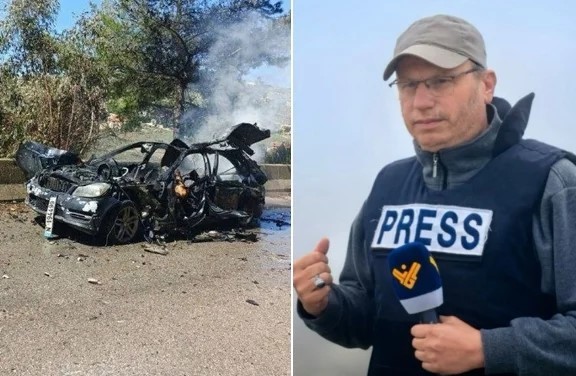
CCTV News also reported that on March 28, the Russian Foreign Ministry called on social media for an investigation into the Israeli airstrike that killed the Lebanese journalists. The Russian ministry said that attacking journalists, who should be regarded as civilians, constitutes a grave crime under international humanitarian law. It stated that the journalists inside the struck civilian vehicle were wearing clearly visible press identification but were nevertheless hit by a precision‑guided weapon. Earlier reports said that, ten days before, an RT (Russia Today) correspondent in Lebanon had nearly been killed in a similar incident.
Shuaib was a well‑known Lebanese war correspondent who had reported for Al Manar in southern Lebanon for nearly 30 years. The Israeli military alleged that Shuaib "systematically carried out activities" that "exposed" the positions of Israeli forces invading southern Lebanon. The military also accused him of "maintaining contacts" with Hezbollah fighters and of "inciting" hatred against Israeli forces. Israel's line of accusation closely mirrors earlier charges leveled against Palestinian journalists in the Gaza Strip.
Related News:
Yemen's Houthi group claims ballistic missile attack on Israel




Comment