






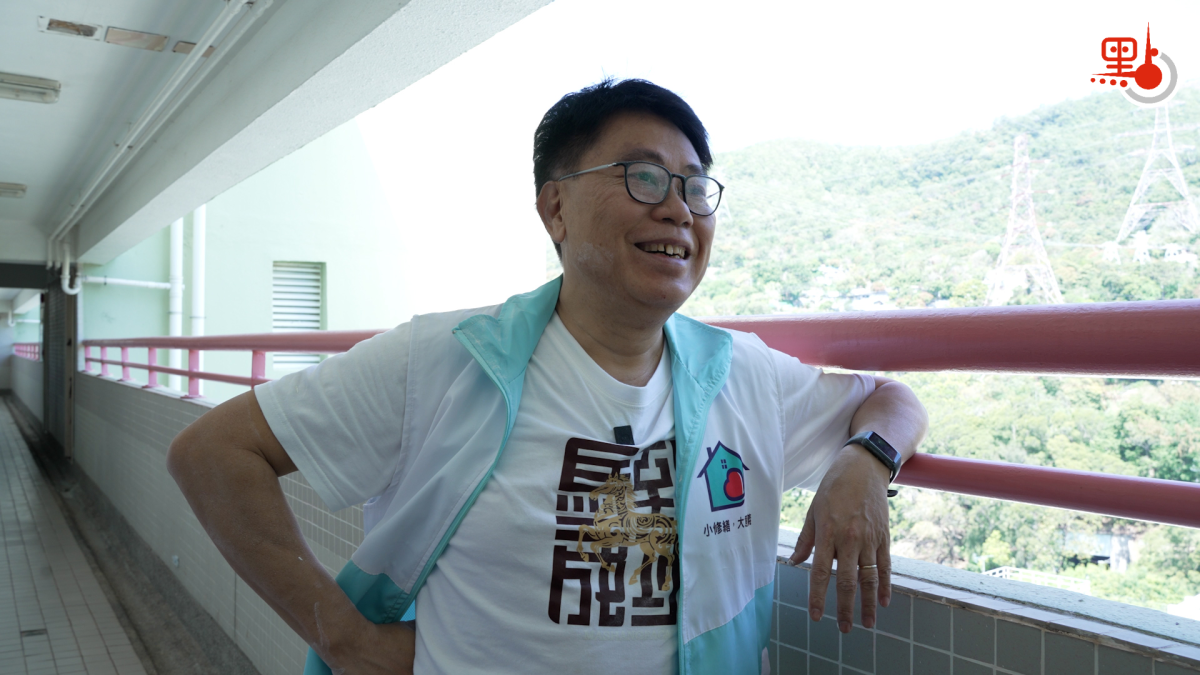
On a warm and pleasant morning of mid-March, Philip Wai, a 67-year-old co-founder of the Repairsgivers project, and Tina, 75, brought their own tools to the home of Wong in a public housing estate in Kwai Chung. Their mission that day was to solve the problem of peeling ceiling plaster in Wong's flat.
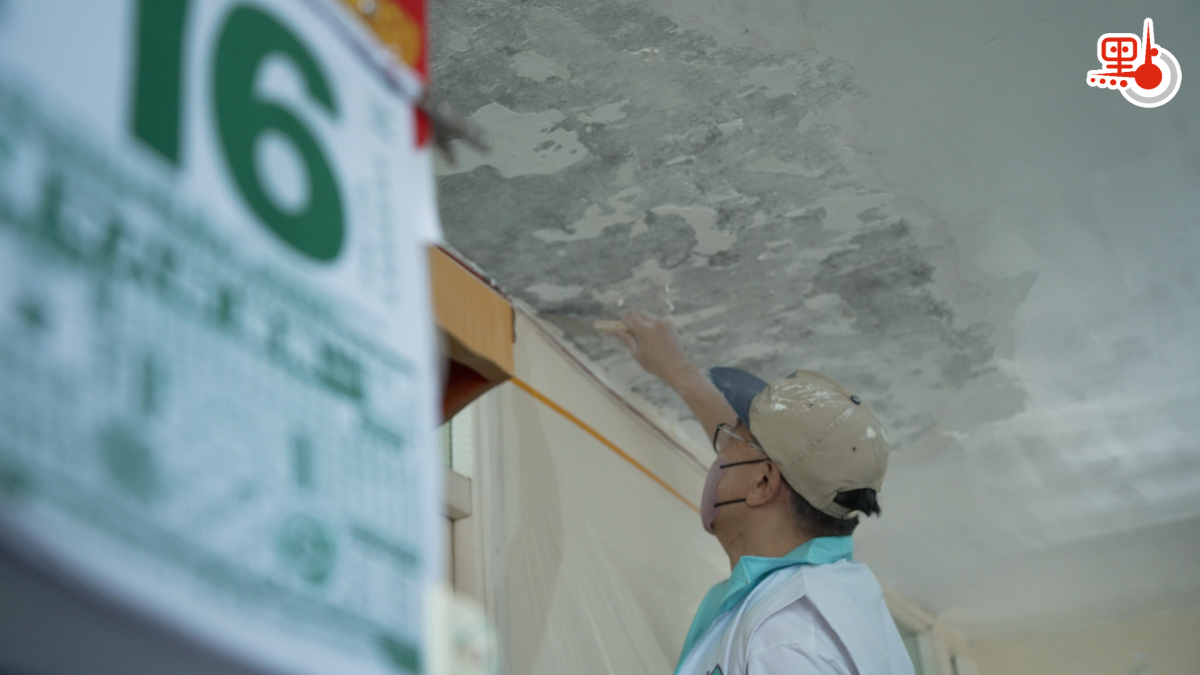
The ceilings in Wong's living room, kitchen, and bathroom had all begun to peel, with loose plaster at risk of falling on her head or into her food. Wong, a 50-year-old only daughter currently caring full-time for her elderly parents in their eighties, admitted that if she wanted a contractor to do an excellent job on the repairs, she needed to move out everything in the flat, a process that would take at least a week before things could be returned to normal. Not only would this involve significant expense, but the question of where her family would stay during the renovations was also a major concern.
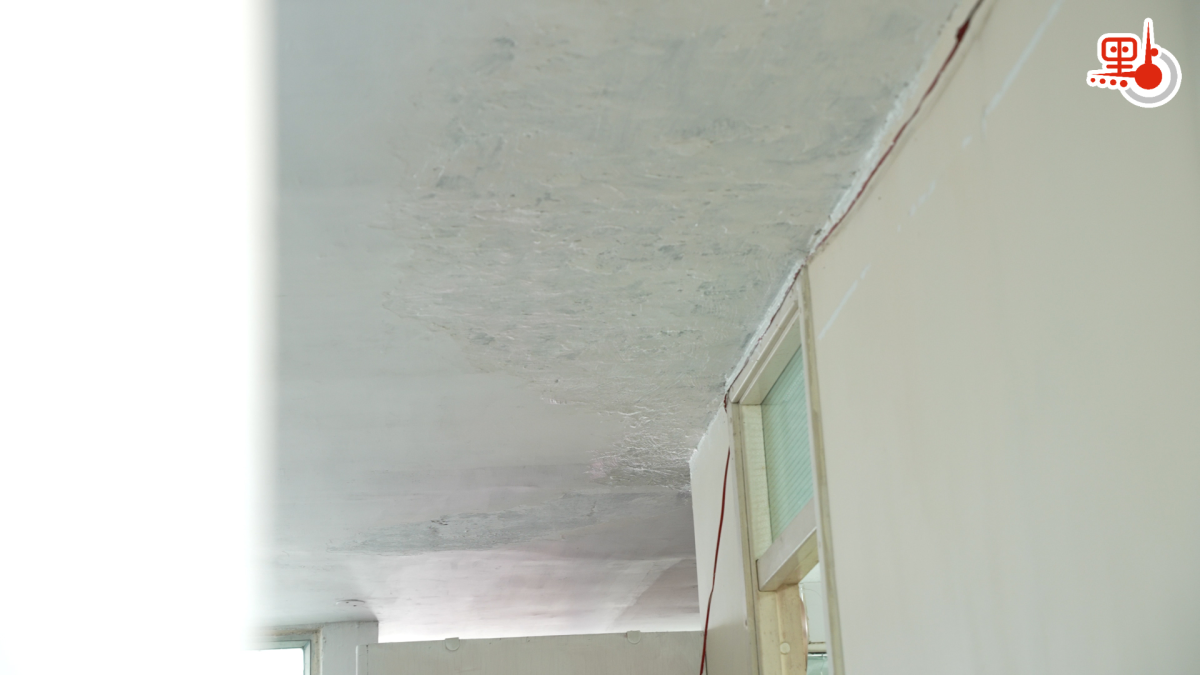
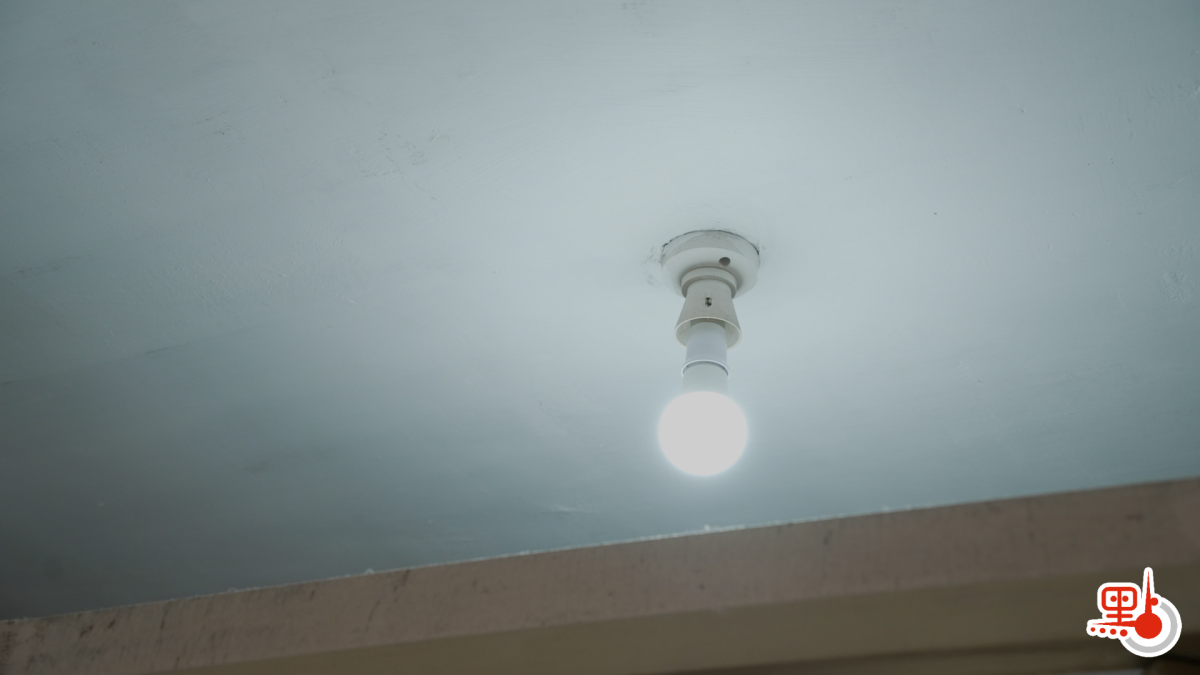
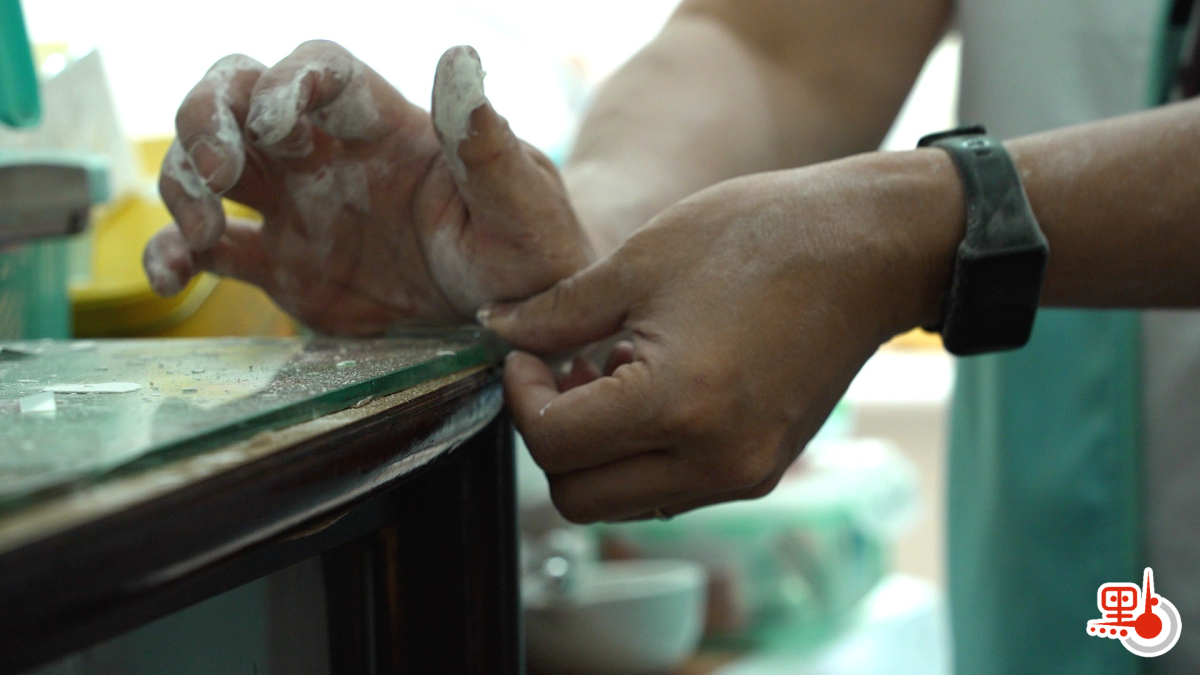
"Before, I thought I would just handle the repairs myself, but if I got hurt while working on them, I wouldn't be able to take care of my parents," Wong said. Later, referred by a social worker from Caritas, she found Wai's volunteer team. On the day of the repairs, after assessing the locations and condition of the peeling plaster, Wai and Tina quickly divided the work with practiced efficiency—donning masks, climbing ladders, scraping away loose plaster, and applying fresh paint. The entire process took less than two hours. They also replaced Wong's light bulb at no extra charge. "Our goal is simple: to make sure seniors feel safe and at ease in their homes," Wai said.
This is precisely the value of Wai's project: not striving for a flawless renovation, but addressing the most urgent safety hazards and alleviating stress for the elderly.
Repair as a form of emotional support
Before retiring, Wai worked in sales for a publicly listed electronics company. After retirement, seeking a more fulfilling life and a way to continue contributing to society, he co-founded the social enterprise Cocreative Partners Community Services Limited, under which the Repairsgivers initiative falls. Launched in 2020, the project has grown over six years to include over 100 elderly volunteers. With a mission to improve seniors' living environments and home safety, the project delivers care through services such as installing grab bars and bed rails, removing unwanted furniture and shelving, and installing practical shelves and hooks. "Volunteers in our group chat jump at the chance to take on jobs. Sometimes they handle two in a single day," said Wai.
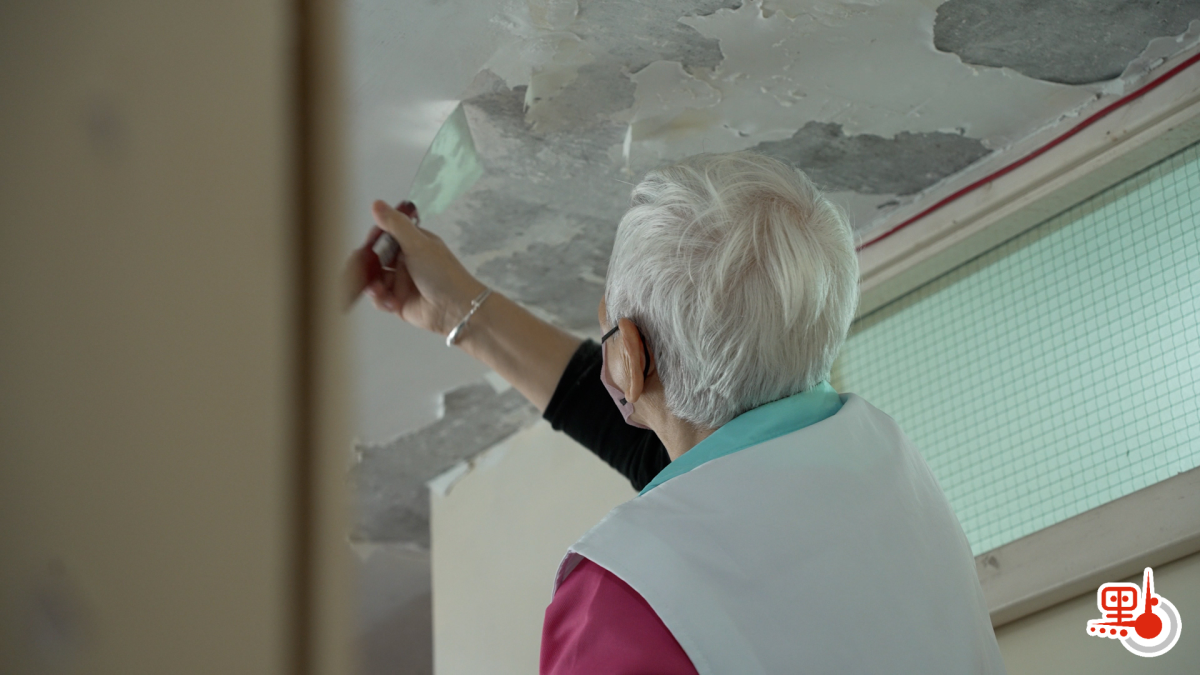
At 75, Tina is the second-oldest member of the team. Before retiring, she worked as a health services assistant in a hospital. In her retirement, she has been involved in numerous volunteer initiatives, including providing haircuts, home visits, phone check-ins, psychological support, and accompanying medical appointments for people with disabilities and the elderly.
Thanks to her extensive experience in helping others, Tina quickly mastered repair skills and is just as energetic as her younger counterparts. In her view, however, the meaning of volunteering extends beyond practical assistance; it also involves repeated visits and conversations to encourage others to open up. Tina's most vivid memories involve several cases where she encountered people contemplating suicide. "At that critical moment, when they were feeling desperate, if someone was there to talk with them and could listen and provide some counseling, that moment would save their lives."
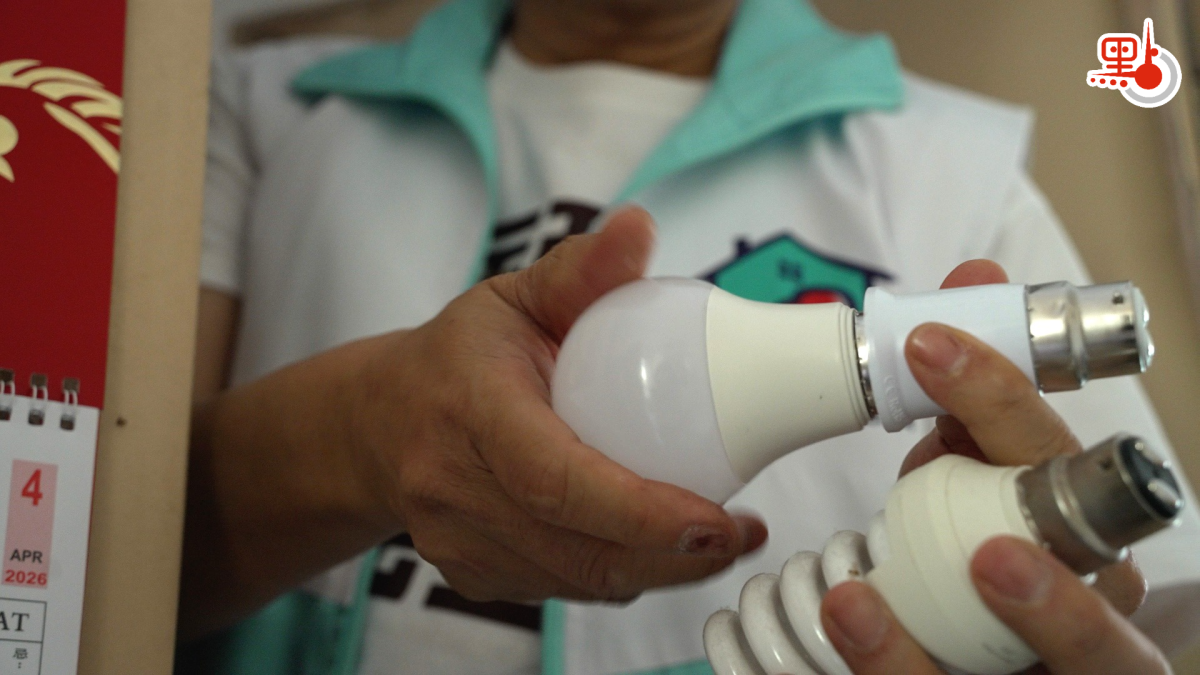
The same applies to repair work, Tina explained. "When suddenly the light becomes dim, we go and change it. They turn on the light, and at the moment, they gain brightness, which makes them really delighted." This, perhaps, is what drives Tina to keep going: whether in the past or now, she moves through the city's streets, doing everything in her power to answer calls for help, both spoken and unspoken.
No single answer to the "second half" of life
Both Wai and Tina expressed deep satisfaction with their current lives. For them, volunteering has never been a one-way act of giving; it is a process of helping others while helping oneself and continuously learning new skills. Reflecting on his own journey, Wai noted, "I didn't know how to design posters before, but now I use computer tools to create leaflets, logos, and handle trademark registrations—and now I even have AI to help."
When the conversation turned to the challenges of an ageing society, both drew on their personal experiences to offer heartfelt advice. As the founder of a volunteer organization, Wai shared his perspective, "I believe we should promote the idea of 'The elderly caring for the elderly.' In terms of mindset, we need to help more people understand the value of staying engaged after retirement and finding something that matters to them."
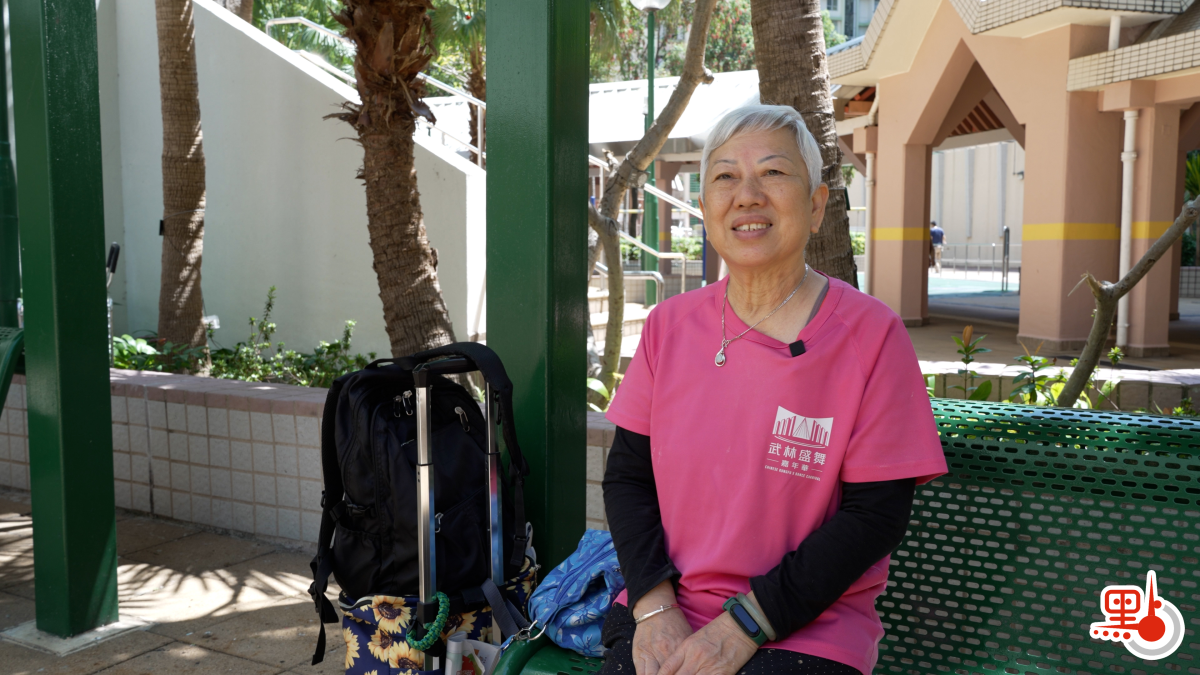
Tina, for her part, frequently emphasizes the importance of not staying cooped up at home."If people sit around for too long, they get bored and start overthinking. If you have the ability, go out and do some volunteer work or connect with neighbors, participate in community activities, give yourself a colorful and diverse life, and have a spiritual anchor for yourself."
How should retired seniors spend their days? Wai, Tina, and the other elderly volunteers in their organization have offered a vibrant answer through their actions. Still, there is no single right way to live; retirement is a chapter without a fixed script. What matters most is physical and mental health, and staying true to one's own heart. In their dedication, these elderly volunteers have become beacons for others, lighting the way forward through retirement.
(Reporter: Ashley, Sammi; Cameraperson & Editor: Sammi; English Editor: Darius)
Related News:
100 Ways To Live · Silver Friends | Never too old to race! 92-year-old runner finds youth on court




Comment