






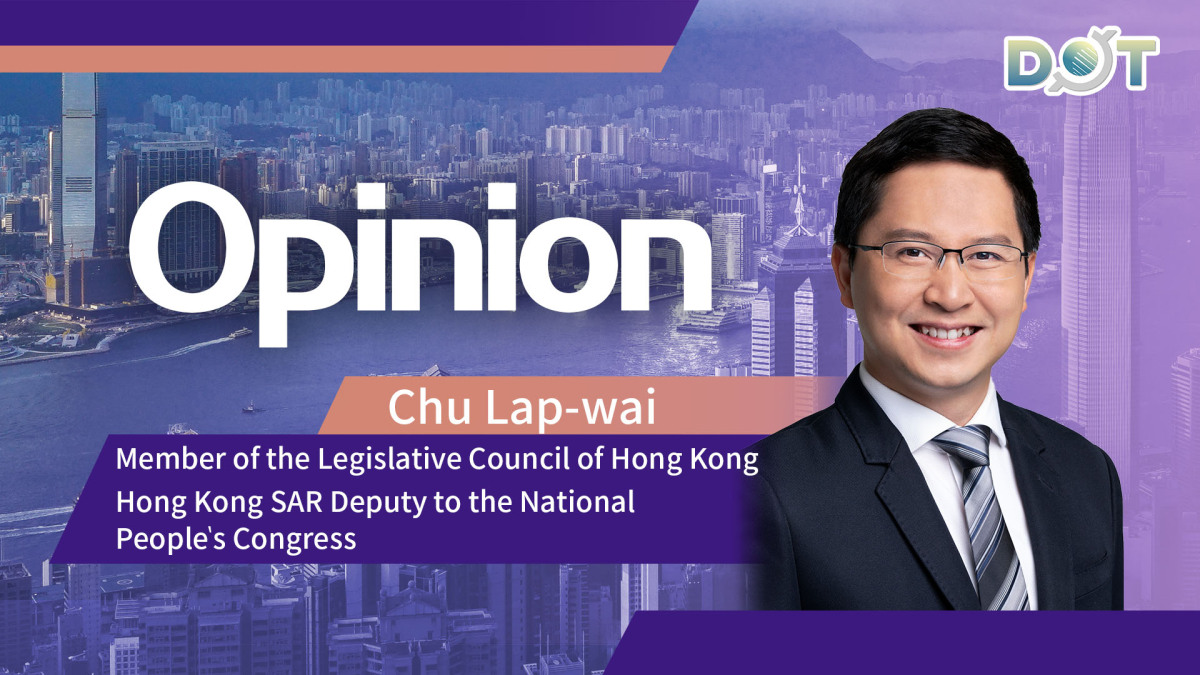
By Chu Lap-wai
China's Two Sessions commenced today (4th March), with HKSAR deputies to the NPC participating in pivotal discussions to outline the country's economic, social, and policy blueprint, as well as strategic priorities. As the Guangdong-Hong Kong-Macao Greater Bay Area (GBA) enters a phase of deepened integration, the national 15th Five-Year Plan period (2026–2030) presents a strategic window to advance regional collaboration and high-standard institutional opening-up. For the region's tourism sector, the synergistic development of the GBA individual travel scheme for yachts and multi-destination itineraries represents not merely a policy aspiration but a practical imperative for building a world-class coastal destination. Achieving this vision demands a clear-eyed assessment of existing assets, an overcoming of current bottlenecks, and the implementation of bold, systemic innovation.
A Region of Immense but Fragmented Potential
The GBA possesses formidable tourism assets characterised by deep complementarity across jurisdictions. Hong Kong's yachting industry holds a globally competitive edge, with over 12,000 registered vessels, a full industrial chain encompassing maintenance, fuel supply and berthing, an annual output exceeding HK$4.5 billion, and a deep pool of professional maritime talent and high-end consumers. Guangdong's yachting sector is expanding rapidly, with registered vessels surpassing 4,000 and related industries valued at over RMB 100 billion. This robust foundation, amplified by the maturing "one-hour living circle," creates significant latent market demand for cross-border leisure.
Beyond yachting, the GBA's eastern linkage—linking Hong Kong's eastern waters with Shenzhen's Dapeng Peninsula—holds exceptional potential. The Hong Kong SAR Government's Northern Metropolis Action Agenda envisions a "Blue-Green Recreation and Tourism Ecological Circle" encompassing Sha Tau Kok, Double Haven and Sai Kung. Concurrently, Shenzhen's Dapeng New Area is advancing plans for a global coastal ecotourism resort, including a route connecting the Nan'ao checkpoint to Ma Liu Shui via Tung Ping Chau.
Yet this potential remains constrained by persistent bottlenecks. Regulatory fragmentation is a primary barrier: existing administrative rules on customs guarantees and vessel registration were not designed for the flexibility of private yacht, creating hazy legal zones. Supervisory standards remain inconsistent across the three jurisdictions, while cumbersome clearance procedures impose extra time and expenditure on travellers. Gaps persist in visa mechanisms tailored to yacht tourism, and limited open waterways and shoreline support facilities further hinder development. To counteract the intensifying competition from Southeast Asian destinations—many offering simplified cross-border policies and rich coastal resources—the GBA must act decisively.
Strategic Pathways to Integration
To unlock the sector's full potential, a multi-pronged strategy centred on institutional innovation is crucial.
First, regulatory alignment must resolve institutional barriers. Targeted, innovation-oriented adjustments to relevant national regulations within the GBA could establish a stable legal framework for cross-border yacht chartering and related services. Drawing on Hong Kong's well-established merchant shipping legislation while ensuring compatibility with mainland requirements, policymakers shall refine leasing rules and align access, safety and taxation standards across the three jurisdictions. A "one-stop" smart information management system would digitalise and streamline applications, voyage monitoring and emergency response, creating a benchmark for cross-border governance.
Second, the individual travel scheme for yachts must be revised through streamlined customs clearance and mutual recognition. Moving towards a "record-filing plus active monitoring" model for customs clearance would significantly reduce administrative drag. Introducing dedicated visa mechanisms for yacht tourism—offering simplified, short-term entry for international visitors arriving via Hong Kong—would substantially enhance the GBA's global appeal. Dynamic expansion of open waterways and joint development of an "Asian Yachting Centre" by Hong Kong, Shenzhen, Zhuhai and Guangzhou will foster facilitation for the northbound travel of yachts from Hong Kong and southbound travel for yachts from the Mainland, supported by duty-free commercial facilities integrated with marina infrastructure to create compelling new destinations.
Third, multi-destination itineraries must be digitally enabled to connect onshore and offshore attractions. Integrating Guangdong's "Explore Guangdong" digital map initiative with Hong Kong's cultural and tourism resources would allow for the creation of compelling itineraries—such as "Hong Kong–Shenzhen Dapeng–Zhuhai–Guangzhou Nansha"—that weave together geological parks, marine reserves and rural communities. This would effectively distribute economic benefits and embed local communities into the GBA's tourism industrial chain.
Unlocking the Eastern Part of GBA
The strategic importance of this integrated approach is vividly illustrated in the eastern reaches of the GBA. Despite strategic alignment between Hong Kong's Northern Metropolis agenda and Shenzhen's coastal tourism ambitions, development is hindered by a lack of direct cross-border public transport, fragmented resource management, and limited community engagement. Drawing inspiration from the "contactless clearance" pilot scheme at the Hong Kong-Zhuhai-Macao Bridge Hong Kong Port, establishing a similar "co-location" inspection checkpoint at Nan'ao checkpoint in the Dapeng would create a seamless cross-border maritime hub. When integrated with the individual travel scheme for yachts, locations such as Tung Ping Chau could become pivotal nodes in a multi-destination network, linking geological parks, fishing villages and marine reserves, thereby driving sustainable growth for local communities.
Seizing the Strategic Moment
The path to high-quality tourism development in the GBA is not merely about building more infrastructure, but about dismantling regulatory barriers and fostering a seamless, integrated experience. By championing bold, coordinated reforms—from yacht mobility to digital itinerary-building—the Greater Bay Area can indeed realise its potential as a globally renowned, multi-destination tourism powerhouse. This would set a compelling precedent for regional integration under the "one country, two systems" framework. The 15th Five-Year Plan period must be seized as the defining moment to turn this ambitious vision into a tangible reality, delivering a model of high-quality growth that benefits residents, businesses and visitors alike.
Related News:
Opinion | HK's rule of law journey in safeguarding national security: Reflections on the White Paper
Opinion | The case of Lai Chee-ying: A judicial reaffirmation of security and law




Comment