






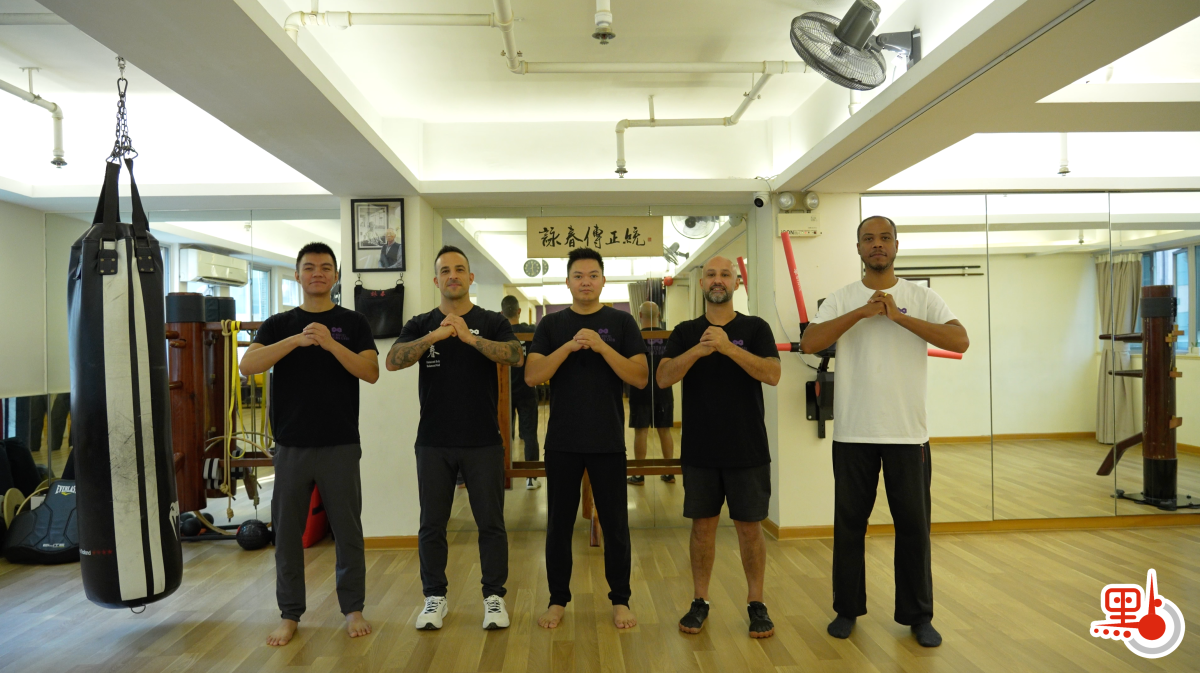
In a Wing Chun martial arts school in Hong Kong, Nima King, a foreign instructor, is intently guiding his students. Raised in Australia, he came to Hong Kong alone at the age of 21 to follow a Wing Chun master and has been rooted here for nearly two decades. For him, Hong Kong is not only home but also a place of healing in his life.
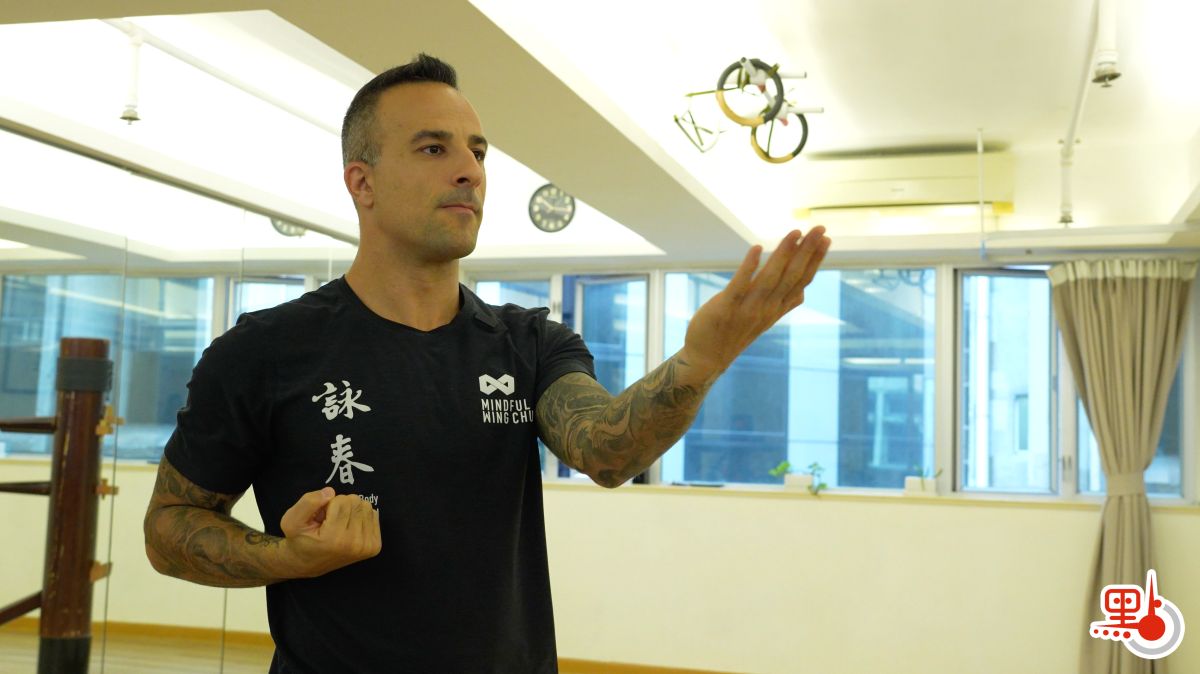
A connection to martial arts, a life changed by master
Nima was born in war-torn Iran. At the age of nine, he and his family emigrated to Australia. Upon arriving in a foreign land, the language barrier made him feel helpless in this unfamiliar environment, and he often became the target of school bullies. To protect himself, at the age of 14, he stumbled upon a Wing Chun academy founded by Chinese practitioners in the yellow pages. From then on, his connection with Wing Chun began.
In 2003, a seminar completely changed the course of his life. He met Chu Shong-tin, a Hong Kong Wing Chun master and a close disciple of Ip Man, Bruce Lee's master teacher. "He was very humble and respectful, completely subverting my image of a 'strong person.'"
What shocked Nima even more was the master's skill. In a simple demonstration of contact, the master used force from a distance of only two or three inches, making him feel as if "someone just threw a 40 kg bag of cement on his arm."
"It was mind-blowing… I decided that I need to follow this man."
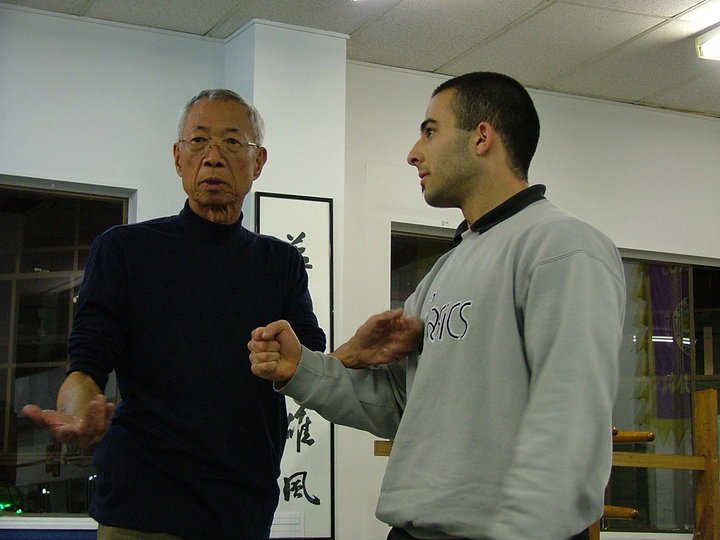
Inheriting Wing Chun through touch
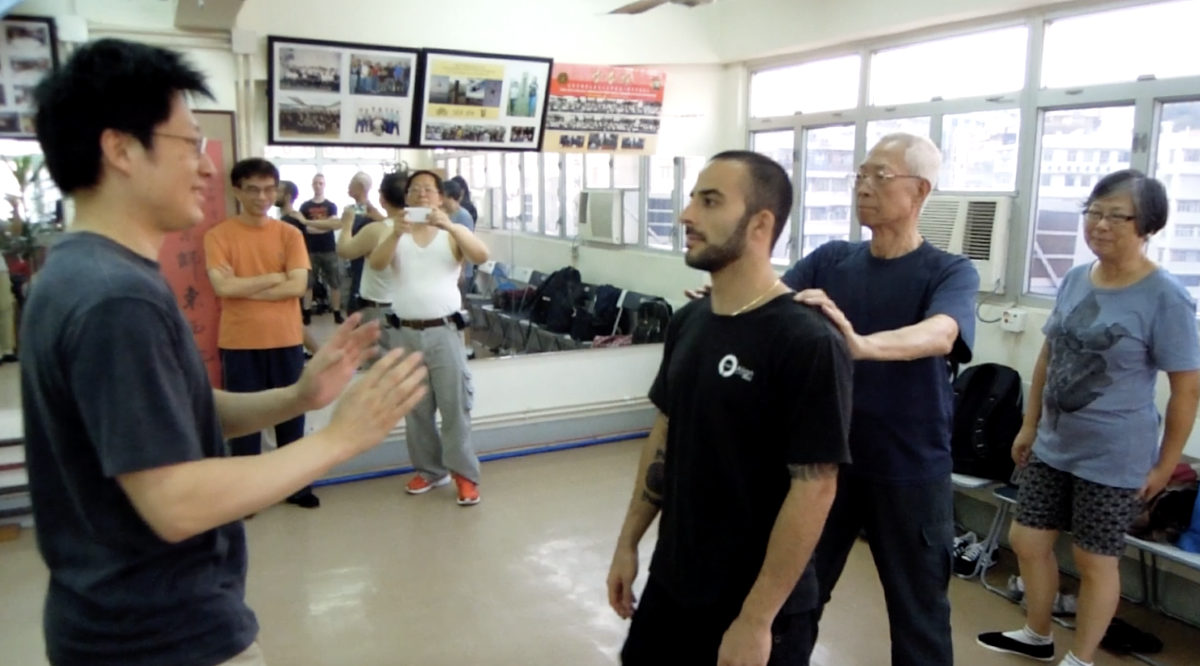
To pursue this decision, Nima saved money for several years and moved to Hong Kong in 2005 to study full-time under Chu. Upon arriving, he had to adapt from the vast, tranquil environment of Australia to the hustle and bustle of Mong Kok, a process that took several months. Now, he has come to love the city's humid summers, even feeling that "it's not Hong Kong without summer."
The process of learning was full of challenges. His master didn't understand English, while he didn't understand Cantonese. Initially, communication relied entirely on touch, gestures, and demonstrations. "I think in some ways it was beneficial not to be able to communicate in the beginning. It forced us to be able to feel it and understand it through feeling rather than concepts." This unique teaching method enabled him to gain a deeper understanding of the core philosophies of Wing Chun: "Relax to release power" and "use mind to guide the whole body."
In 2008, Nima opened his own Wing Chun school in Hong Kong, dedicated to promoting the traditional Chinese martial art. In the beginning, people were skeptical of a foreigner teaching Chinese Kung Fu, but Nima shattered this prejudice with his skill. "I would touch hands with them and let them experience it for themselves," Nima said. "Once they feel the difference, they no longer care about my appearance, whether I am Chinese or foreign."
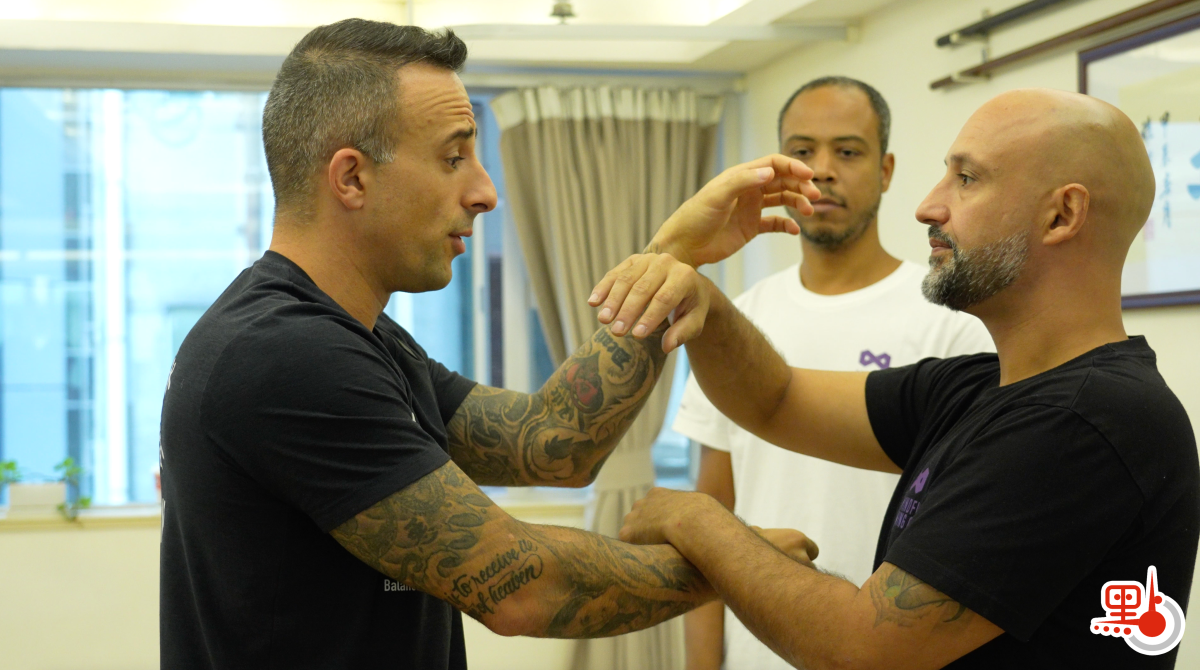
Today, Nima's school has trained many students, including martial arts enthusiasts from all over the world. Many foreigners from different countries have come to learn Wing Chun, attracted by the charm of this ancient martial art, hoping not only to master self-defense skills but also to appreciate the breadth and depth of Chinese martial arts culture. Nima's school has therefore become a small international community where people from different cultural backgrounds exchange ideas, learn, and experience the charm of Wing Chun together.
Warmth of HK: From strangeness to belonging
"China is a very welcoming country. If you try to say a few words in Cantonese or Mandarin, people will cheer for you." He shared a heartwarming anecdote: early on, he and a friend were in a Mong Kok restaurant, and they successfully ordered beef noodles by gesturing and making cow sounds, "Moo..." The transaction was completed with laughter. "I never felt unwelcome."
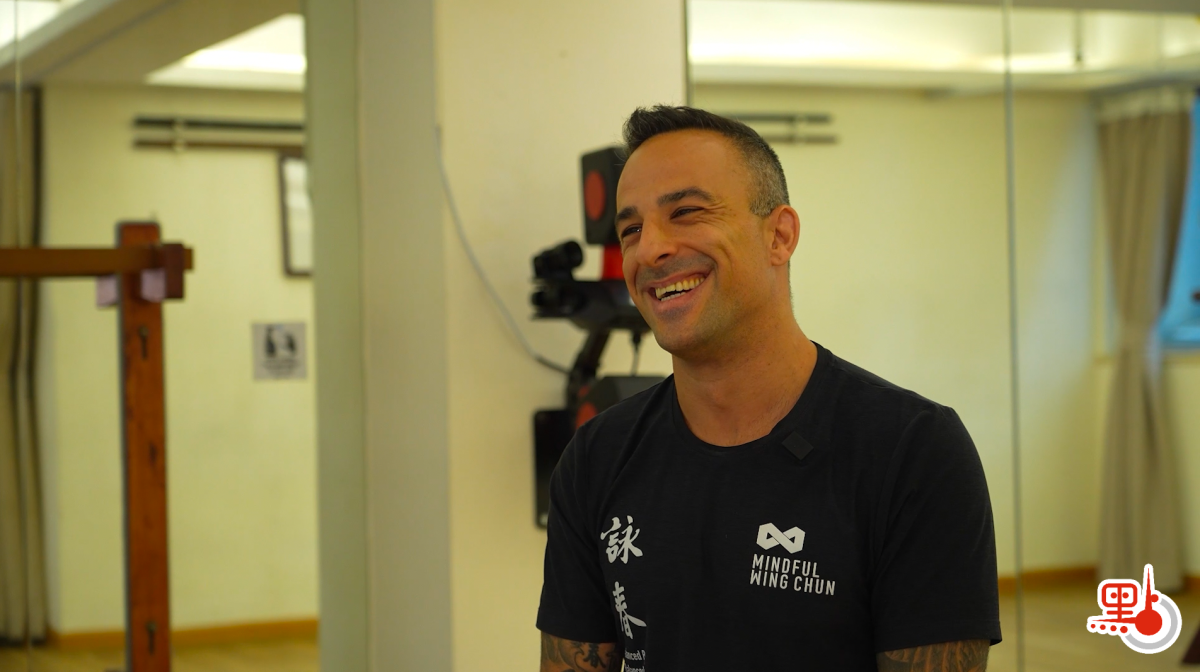
This warmth stands in stark contrast to the indifference he experienced in the West. Not long ago in Australia, Nima's Chinese wife was subjected to racial discrimination twice in one day while out with her children and mother. "But in Hong Kong, I felt incredibly welcome from day one. People are great and easy to get along with."
"Hong Kong is a very safe, very comfortable place for me," he added. "The people here are very friendly. This is my home." He has closely linked his life with Wing Chun and with Hong Kong, finding a sense of belonging and the value of life in this land.
(Reporters: Ella Qu; Camerapeople: Sammi, Yuge, Rachel Liu; Video Editor: Ella Qu; English Translators: Ella Qu, Rachel Liu; English Proofreading: Darius)
Related News:
I Live in HK EP4 | She stirred French flavors into HK, and found her home
I Live in HK EP2 | One man, one violin, one city called home: A French performer's HK journey




Comment