






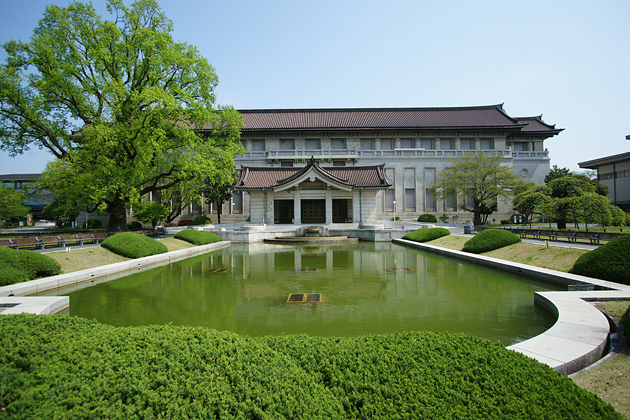
Japan's Agency for Cultural Affairs has recently decided to request independent administrative institutions operating national museums and art galleries to consider introducing a "dual pricing" system. Under the proposed plan, foreign tourists may be charged two to three times the ticket price paid by domestic visitors in the future. The policy aims to have international tourists, who use multilingual services, bear the corresponding operational costs, thereby increasing institutional revenue, reducing reliance on public funds, and transitioning toward a sustainable income structure.
According to a report by Japan's Yomiuri Shimbun, the operational costs of Japan's national museums and art galleries, including the Tokyo National Museum and the National Museum of Western Art, rely heavily on government subsidies in addition to ticket sales and donations. Statistics from the Ministry of Finance show that in the last fiscal year, eight out of eleven national museums and galleries received operational subsidies, accounting for more than 50% of their income. To serve international tourists, these institutions have invested funds in constructing multilingual signage, audio guides, and other facilities.
The Agency for Cultural Affairs believes this move aligns with international practices. Overseas tourist attractions such as the Pyramids in Egypt and the Taj Mahal in India have already adopted dual pricing. The Louvre in France will also increase ticket prices for non-EU visitors starting in January next year.
To enhance the visitor experience and attract more tourists, the Agency for Cultural Affairs also plans to discuss extending museum operating hours and increasing the number of days important artworks are displayed.
Related News:




Comment