






From the "Seven Necessities" – "firewood, rice, oil, salt, sauce, vinegar, and tea" – to the "Eight Arts of Life" – "guqin (music), chess, calligraphy, painting, poetry, wine, flowers, and tea," China's tea culture has a long and rich history. Making friends over tea and discussing philosophy through tea have been passions of Chinese literati and scholars throughout the ages.
Today, however, Chinese shop owner Mrs Fengyu Li Mikusek has moved the tea table to her shop, Lihua, located in Nancy, France. Sitting around the table are several local French people. Everyone raises their cups to drink together and chats, and the morning passes in the blink of an eye.
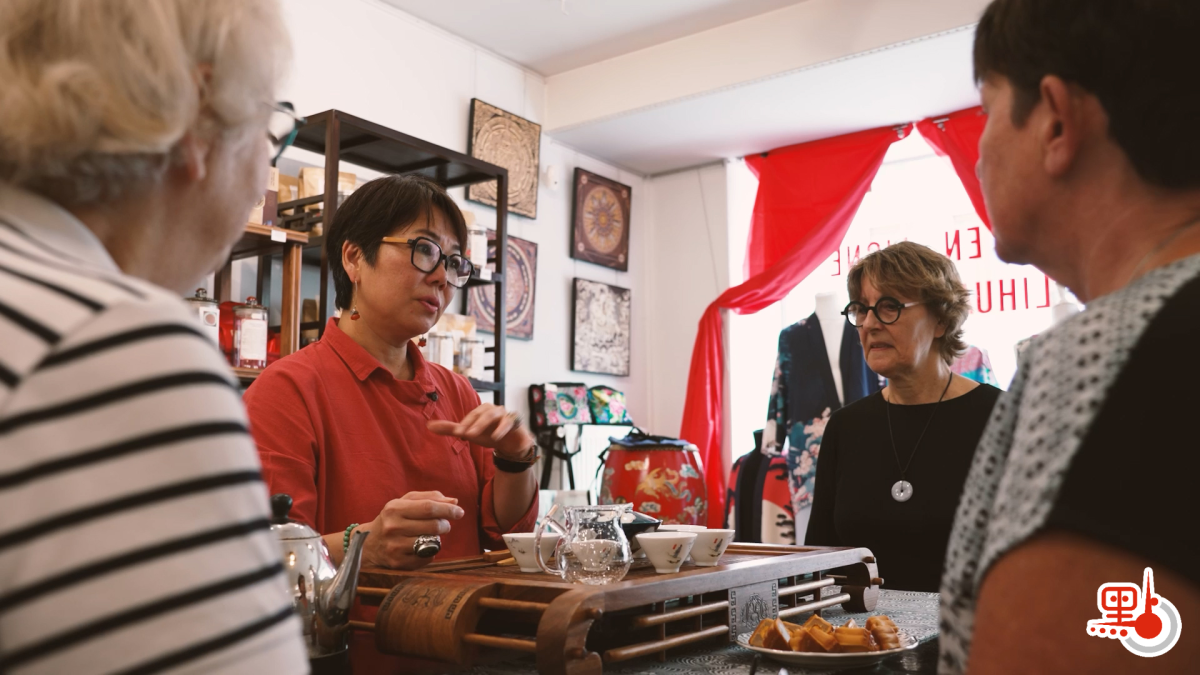
Mrs Mikusek told the DotDotNews reporter that almost all those who come to her shop to drink tea and chat are long-time regular customers she has known for over ten years. "Taking a seat, having a cup of tea, and taking your time to talk" has clearly become a way of life for them.
The variety of teas in Mrs Mikusek's shop is also wide and diverse, including Guangdong's Phoenix Dancong, Zhejiang's Longjing, and Fujian's Lapsang Souchong, among others. In addition to helping everyone experience the flavors of different types of tea, Mrs Mikusek also introduces the guests to their production and processing techniques, helping them understand various aspects of Chinese tea culture. "Explaining all this clearly takes at least an hour. But if they're interested, I will explain it to them in even greater detail."
Under Mrs Mikusek's influence, the shop's regular customers have already developed their own understanding of Chinese tea.
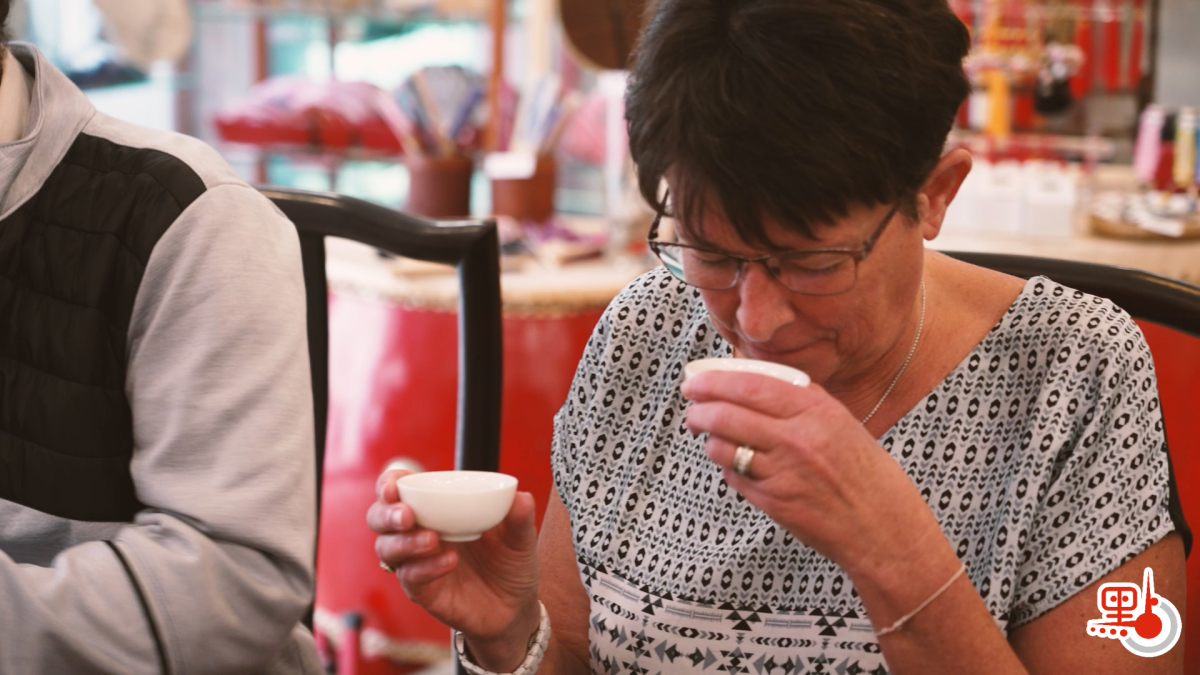
Frenchman Patrick Jordy has been exposed to Chinese tea since first knowing Lihua, spanning over 20 years, to the point where he "could drink tea all day." Having drunk tea for so long, he has developed his own favorites ranking – "My favorite is Pu'er tea. Second is Wuyi tea. Third is Longjing tea." Patrick added, "I also know there is raw Pu'er and ripe Pu'er; I especially like ripe Pu'er."
Another Frenchwoman, Francine Savre, said she "likes them all." She explained, "I drink different teas at different times of the day… I also choose according to their healing benefits and select the type depending on the season." Frenchwoman Nicole Clin even joked, "Since I discovered Chinese tea, I have stopped buying tea from the supermarket anymore."
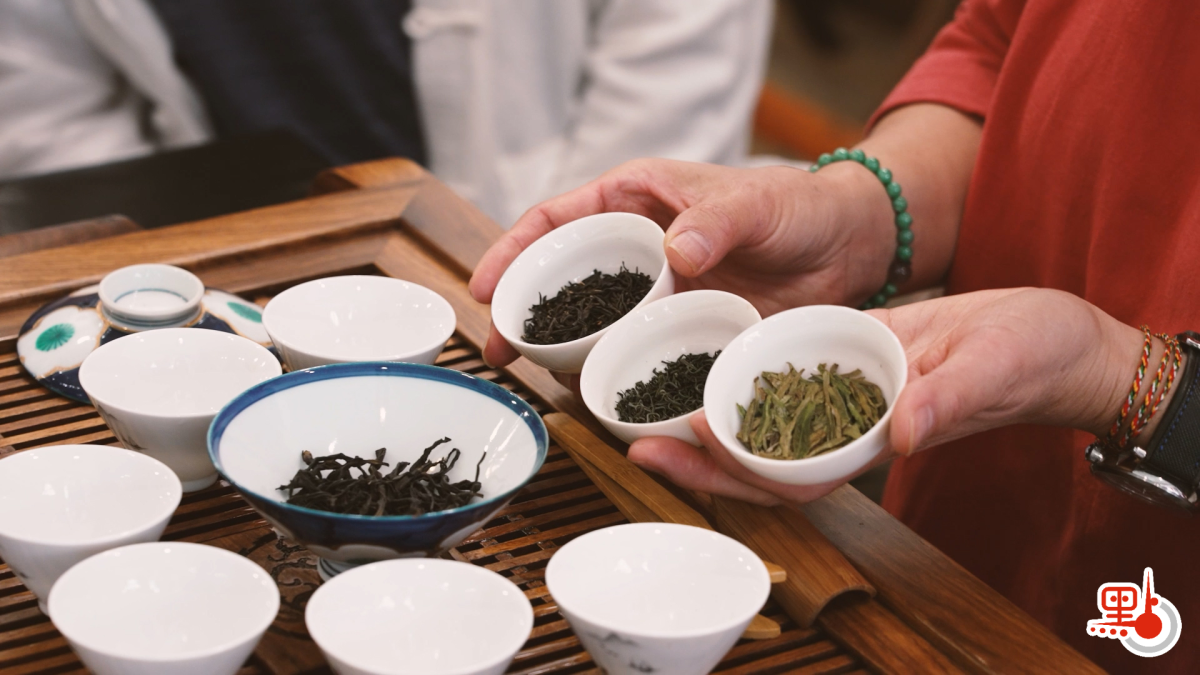
What Clin referred to as "tea in the supermarket" is actually locally produced herbal tea in France – unlike Chinese tea, which comes from tea leaves, herbal tea is made from ingredients like herbs, flowers, and fruits. Patrick spoke knowledgeably about its difference from Chinese tea: "I know many kinds of herbal teaswhich are very common in France; I've tried quite a lot of them. When you taste them, it's a whole different experience from tea leaves."
Besides leisurely sitting together to taste tea and explain tea-related knowledge, Mrs Mikusek also takes tea enthusiasts to major tea-producing regions in China every year to personally visit tea plantations and learn about the tea-growing process. "For example, many people like Longjing tea, so we visit Longjing Village." Mrs Mikusek said with a smile that locals who go for the first time usually want to go a second, third, or even more times.
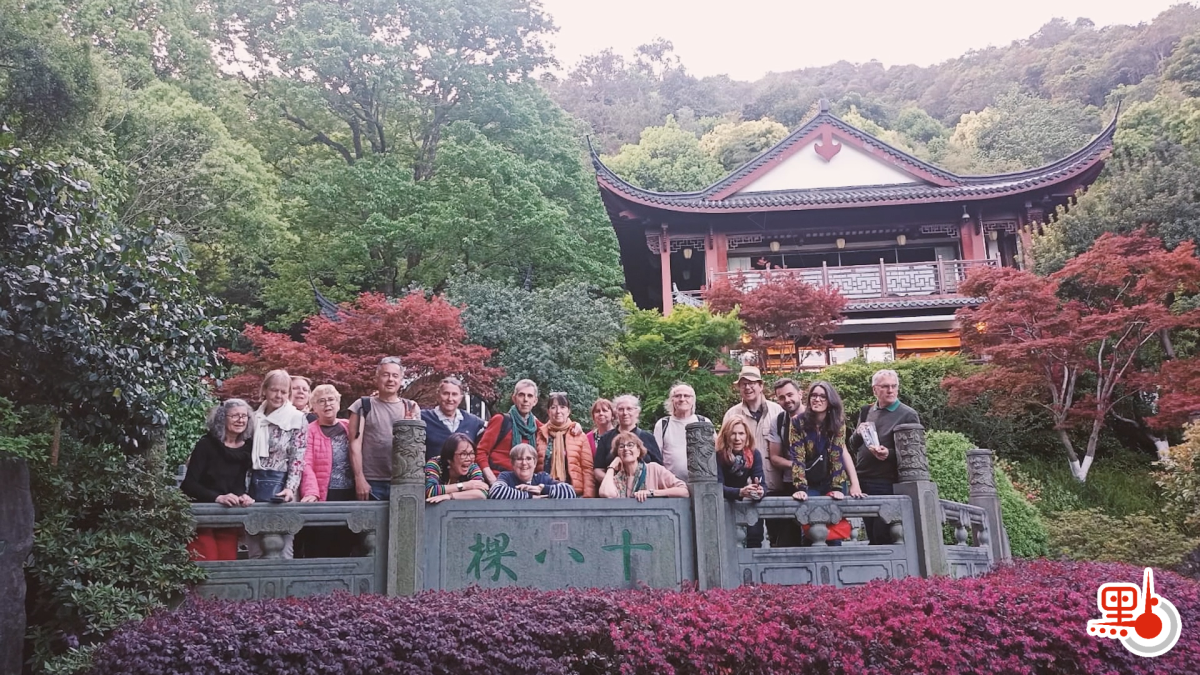
Nancy, France, is a leisurely and pleasant small European city. In Mrs Mikusek's view, running a business here is not just about selling products but also about telling stories, engaging in exchanges, and explaining their culture to others.
"That's why, over so many years, so many customers have stayed with us for ten years, and even twenty years. Beyond enjoying our products, they also appreciate our culture."
Mrs Mikusek hopes that through her efforts, she can continuously promote a part of Chinese culture.
Related News:
C'est la Chine · France | Finding true listeners: Why do French fall in love with Chinese guqin?




Comment